Derrotero
2017
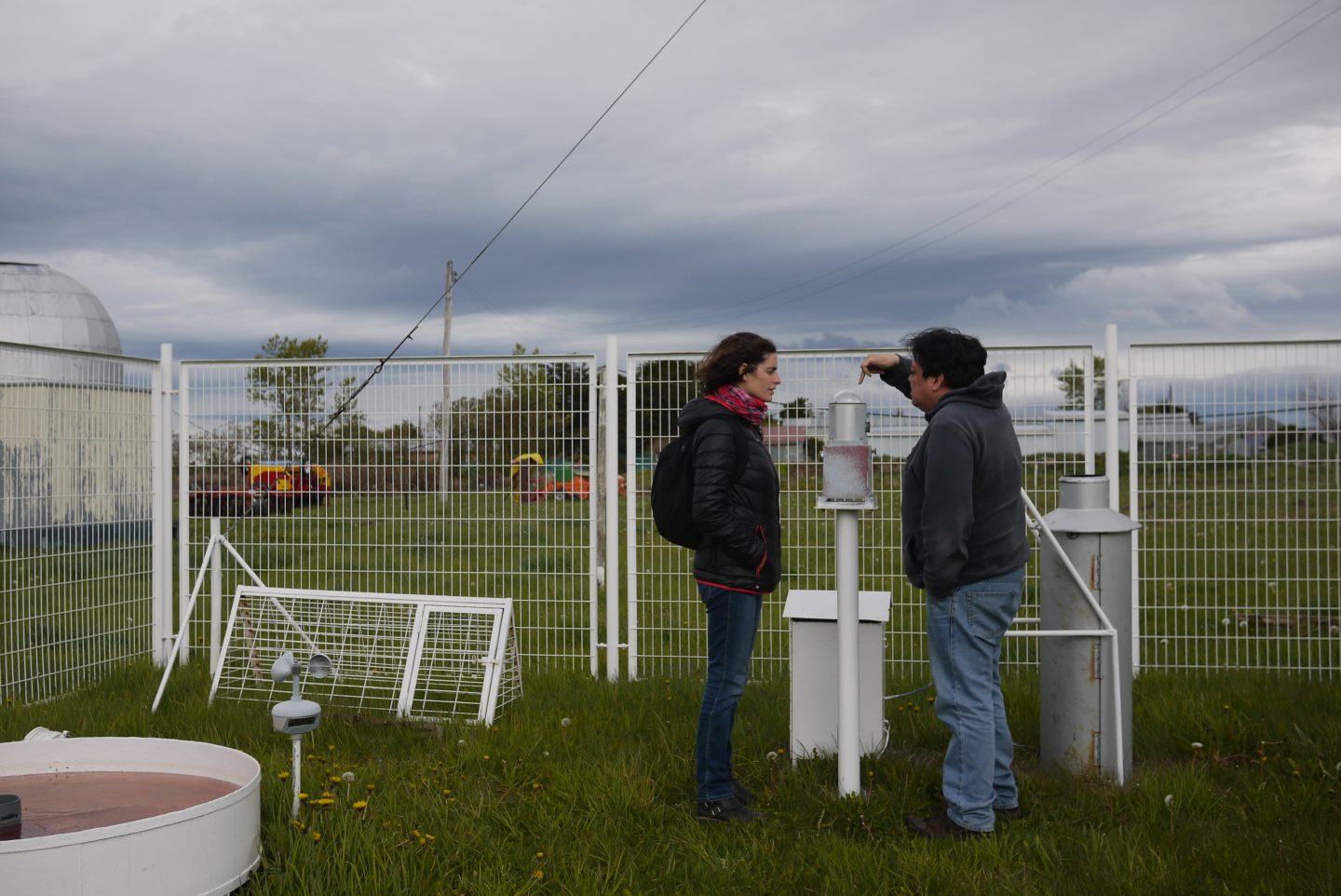
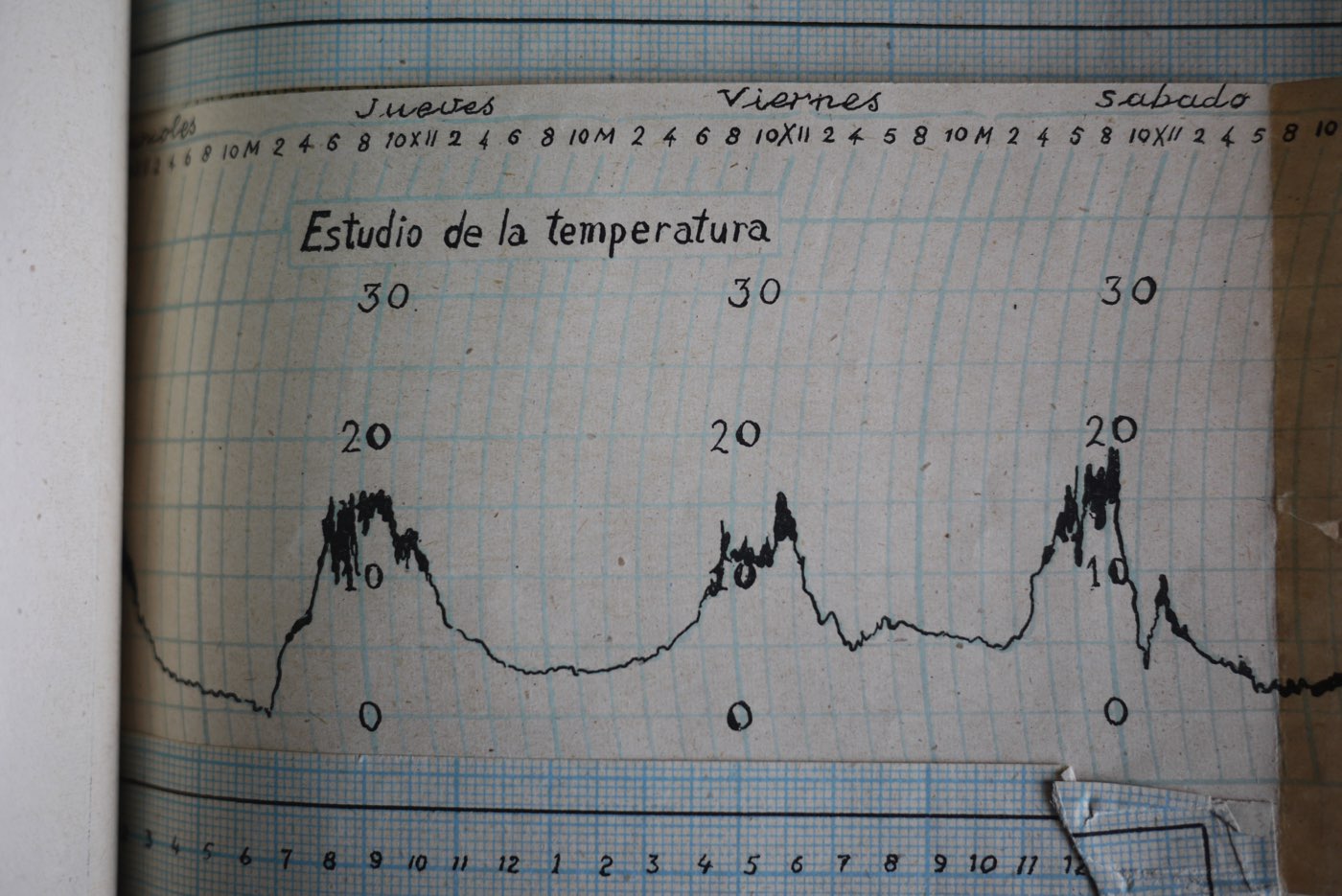
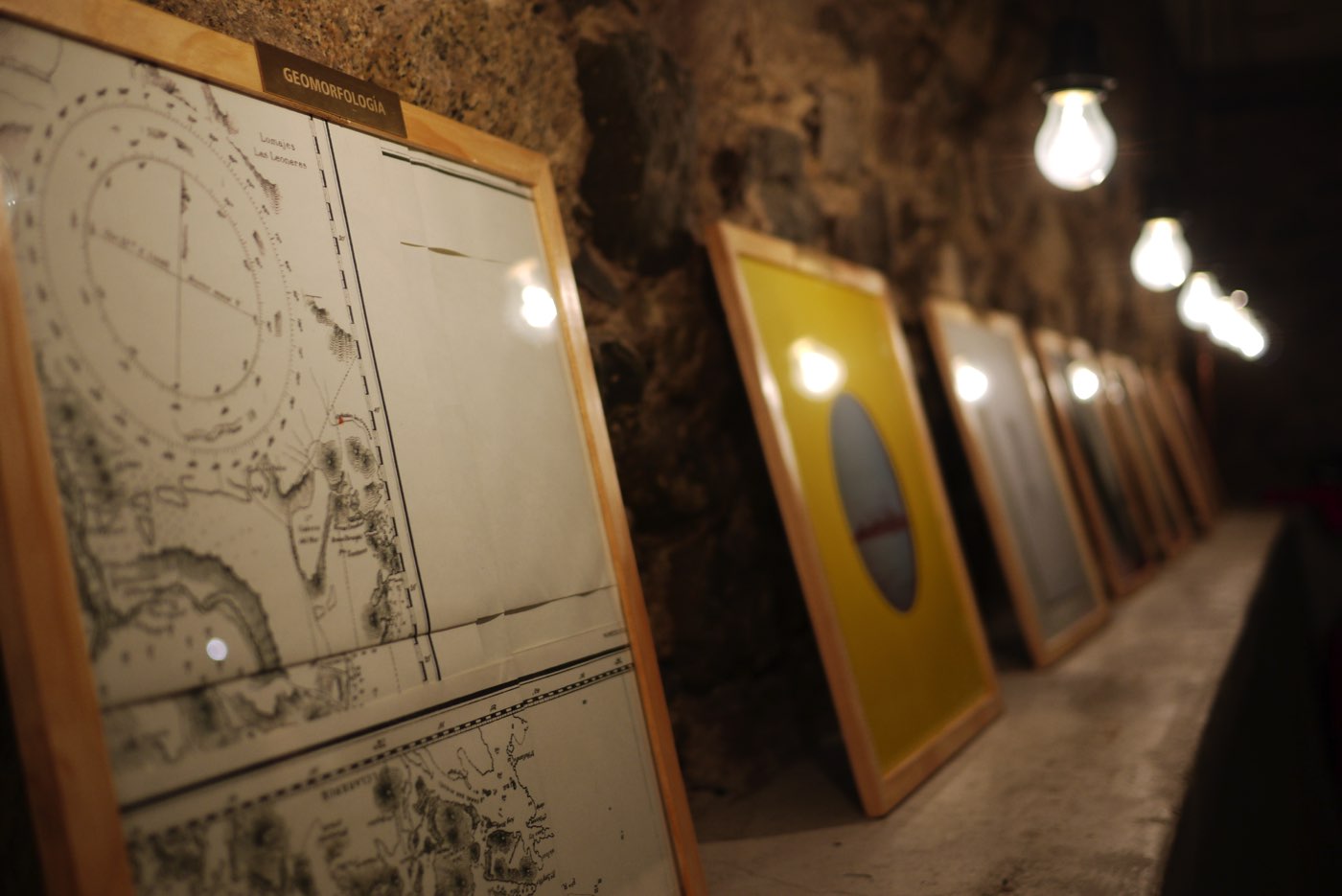
Derrotero (Sailing Directions) began in the city of Valparaíso (Chile), in the Hydrographic Centre of the Army (SHOA). There, I researched the first handmade maps of the Magellan Strait, which were filled with the expressivity and subjectivity of the draftsmen. Afterwards, in Punta Arenas (Chile), with the support of the Climatology Department of the Instituto de la Patagonia, I studied weather measurement systems, focusing on the graphical patterns created by these tools, as well as their materiality.
The exhibition, curated by Macarena Perich (Conflicta), was held at the Magallanes Regional Museum. This old mansion, in the past inhabited by the Brawn-Menendez family, had a huge sociopolitical relevance to the material. It was this family of Russian-Spanish immigrants, whom in the early 20th century, systematically eradicated the local indigenous population.
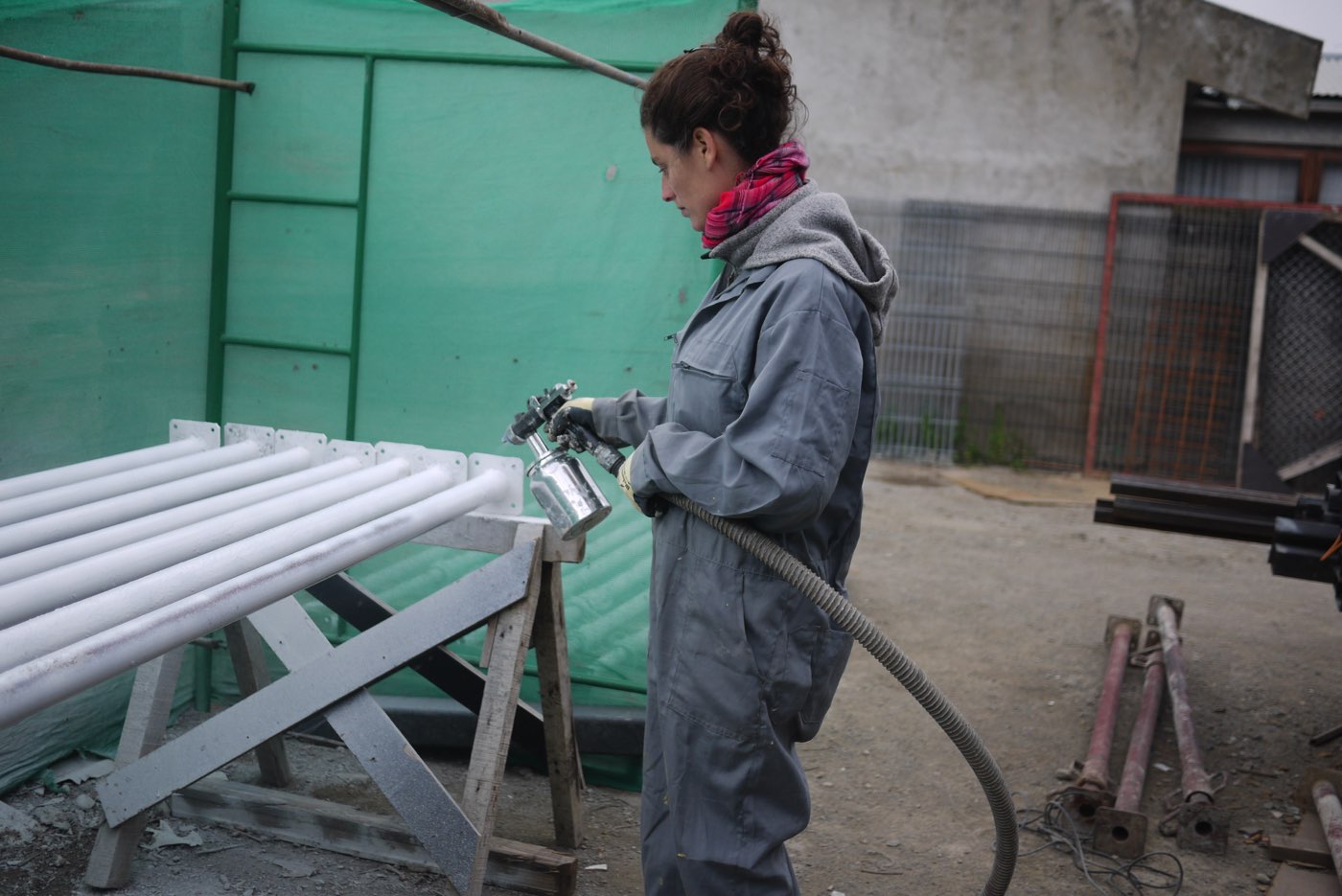
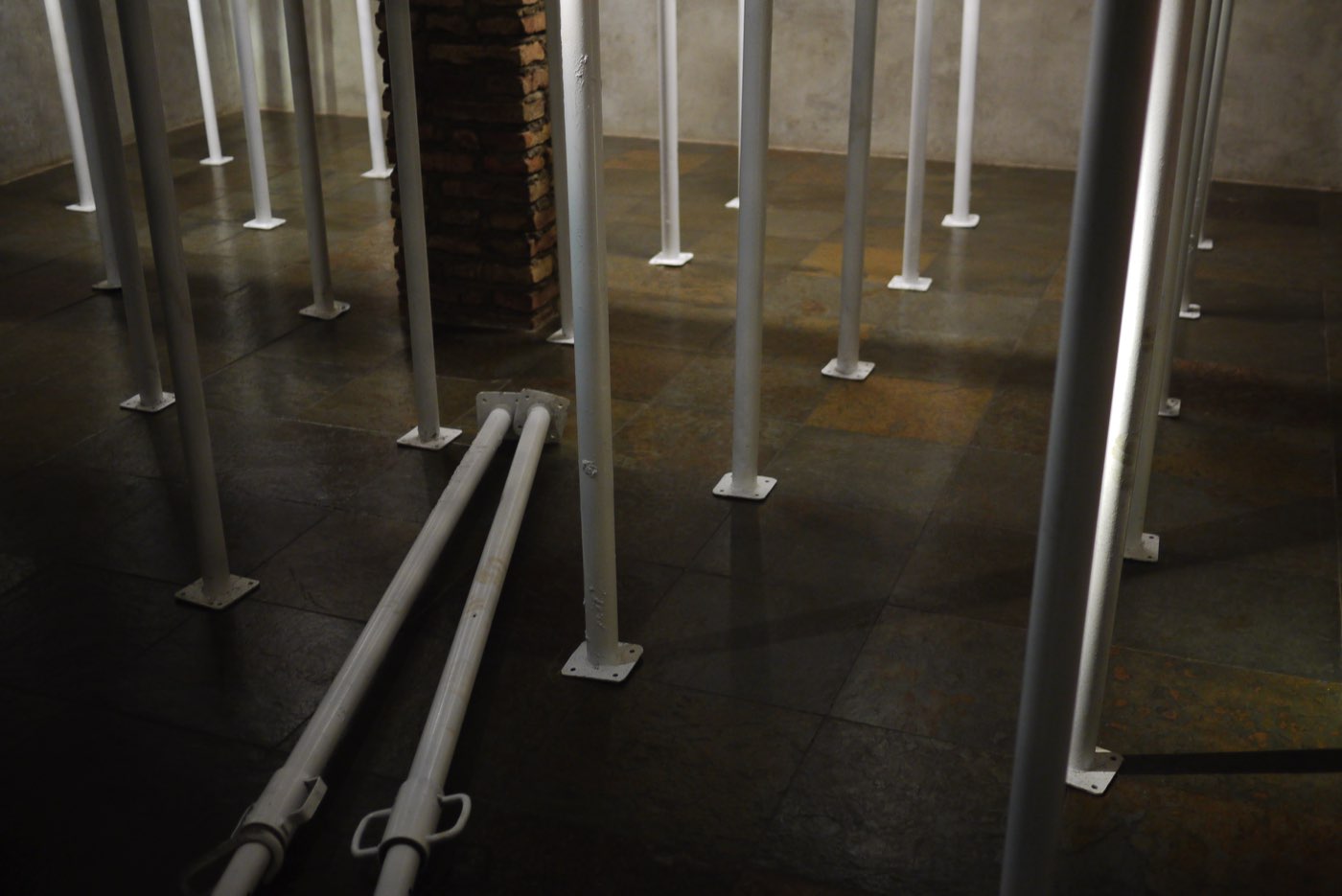
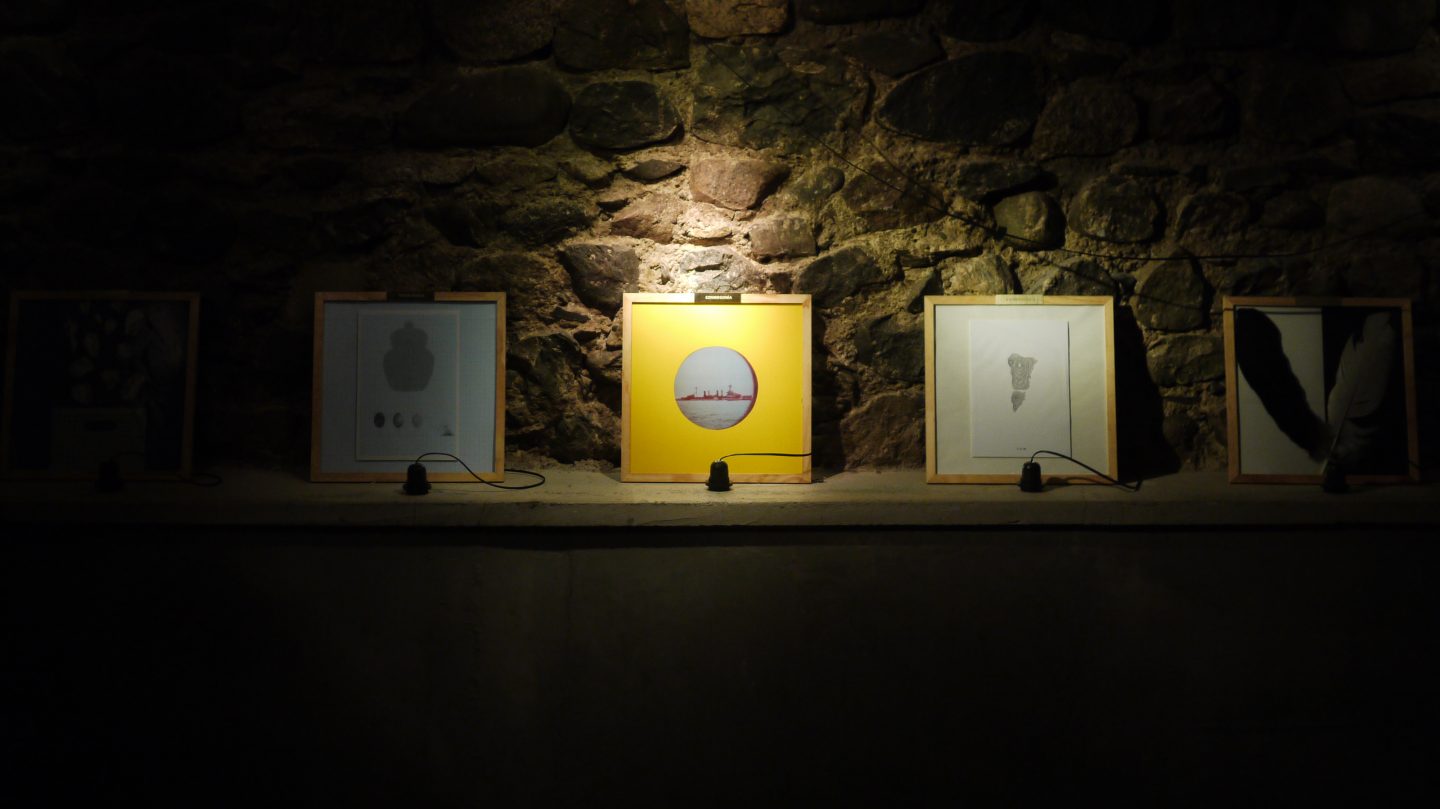
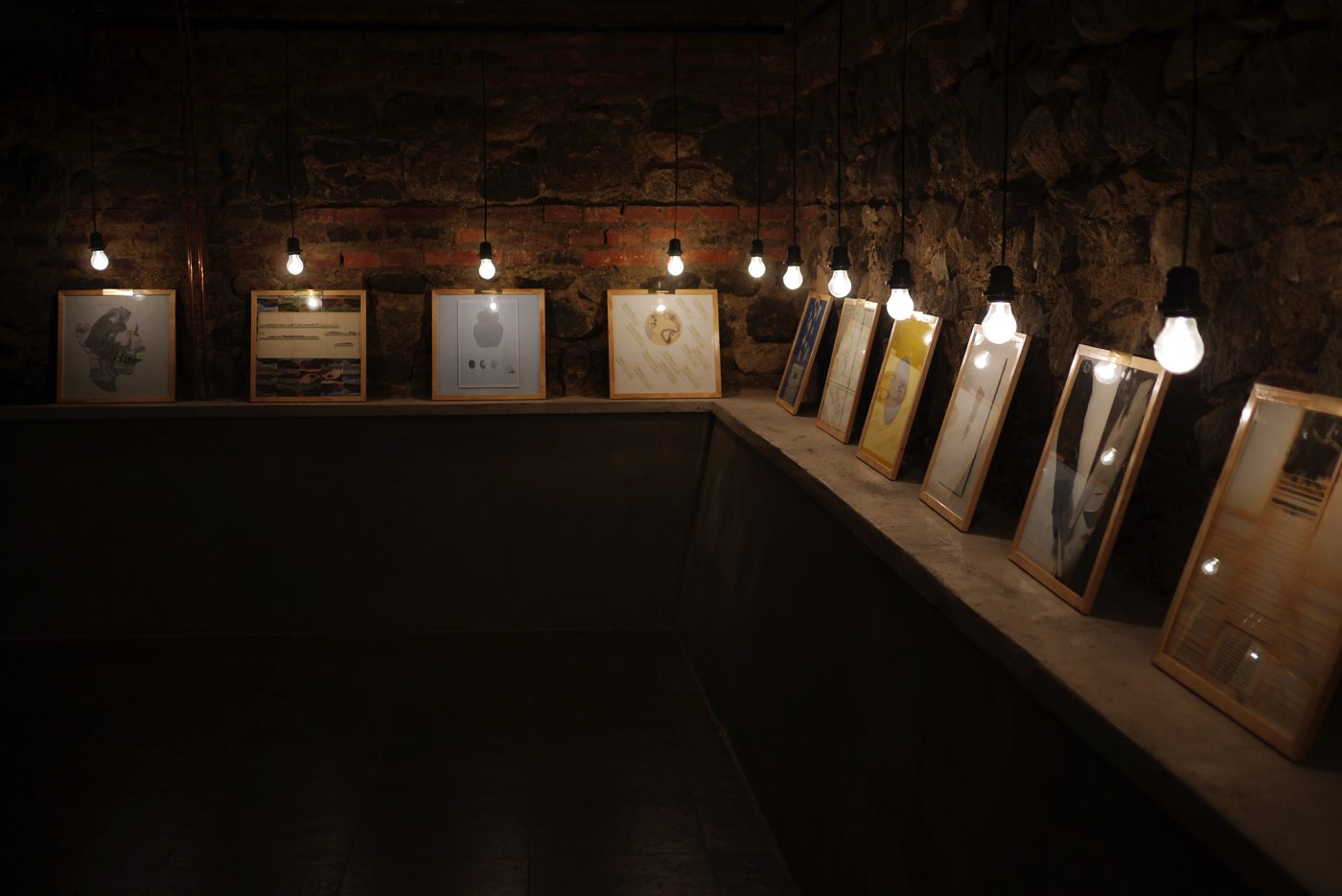
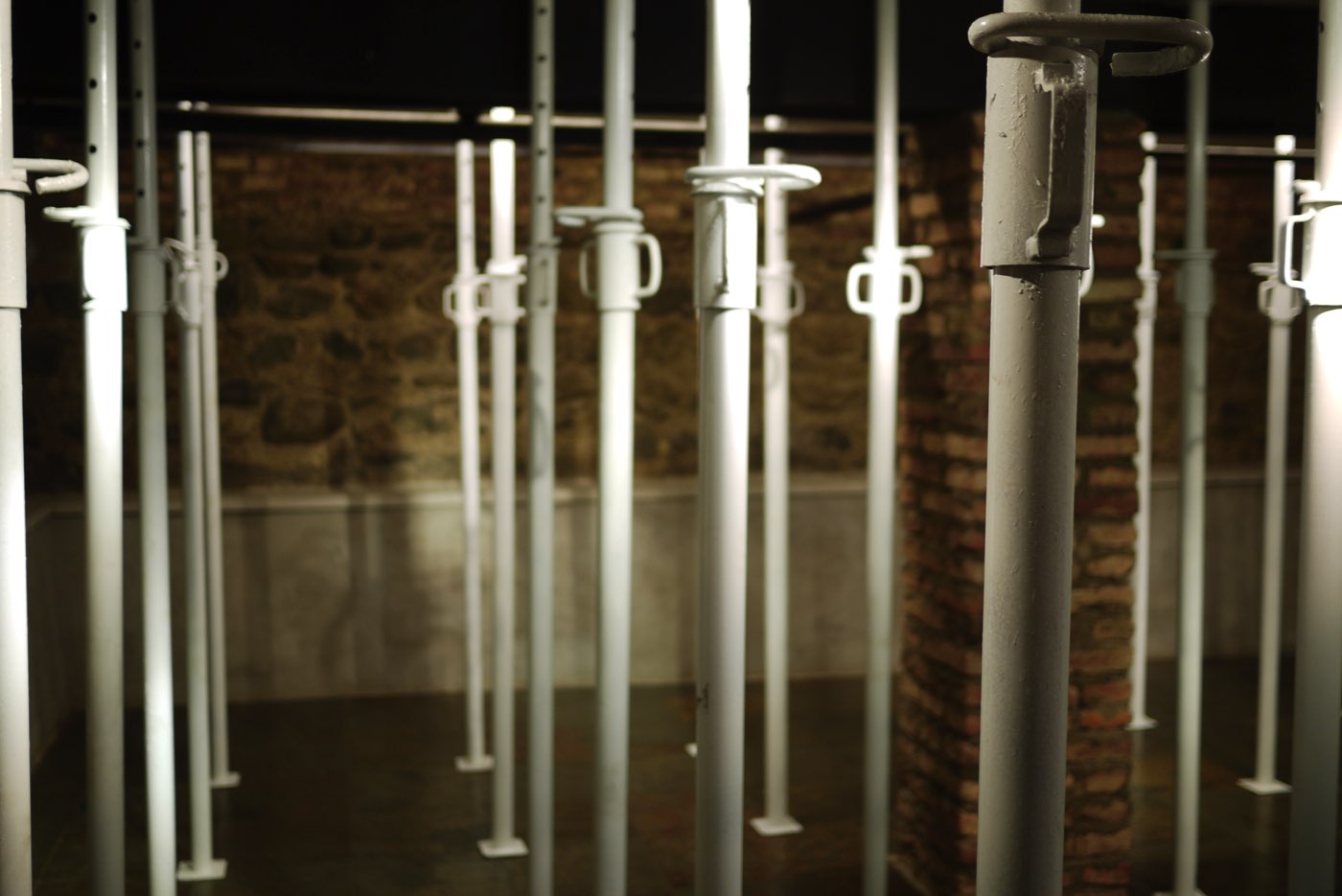
The series of drawings and collages exhibited on this site explore themes of landscape and territory, and bring into consideration technique versus empirical knowledge. Additionally, the ‘white levers’ installation in the museum underground referenced the underlying history of violence from European colonisation in the region´s identitary structure.
Derrotero comenzó en la ciudad de Valparaíso, en el Servicio Hidrográfico de la Armada (SHOA). Allí investigué las primeras cartas del Estrecho de Magallanes, realizadas a mano, llenas de la expresividad y las subjetividades de los dibujantes. Luego en Punta Arenas, al alero del Departamento de Climatología del Instituto de la Patagonia, estudié los sistemas de medición del clima, concentrándome nuevamente en la gráfica y la materialidad que estas herramientas producen.
La exposición, curada por Macarena Perich (Conflicta), se realizó en el Museo Regional de Magallanes. Esta antigua casona, donde antaño residió la familia Braun-Menéndez, tiene una gran carga política y cultural. Fue esta familia de inmigrantes ruso-españoles quienes a comienzos del siglo XX persiguieron y cazaron sistemáticamente a los indígenas de la región.
La serie de dibujos y collages abordan las ideas de paisaje y territorio conjugando una aproximación desde la técnica y el conocimiento empírico. Por otra parte, la instalación de alzaprimas blancas en el subsuelo del Museo tiene relación con la presencia latente de la violencia colonizadora europea, que subyace la estructura identitaria de la región.