Other white mixed background

2021

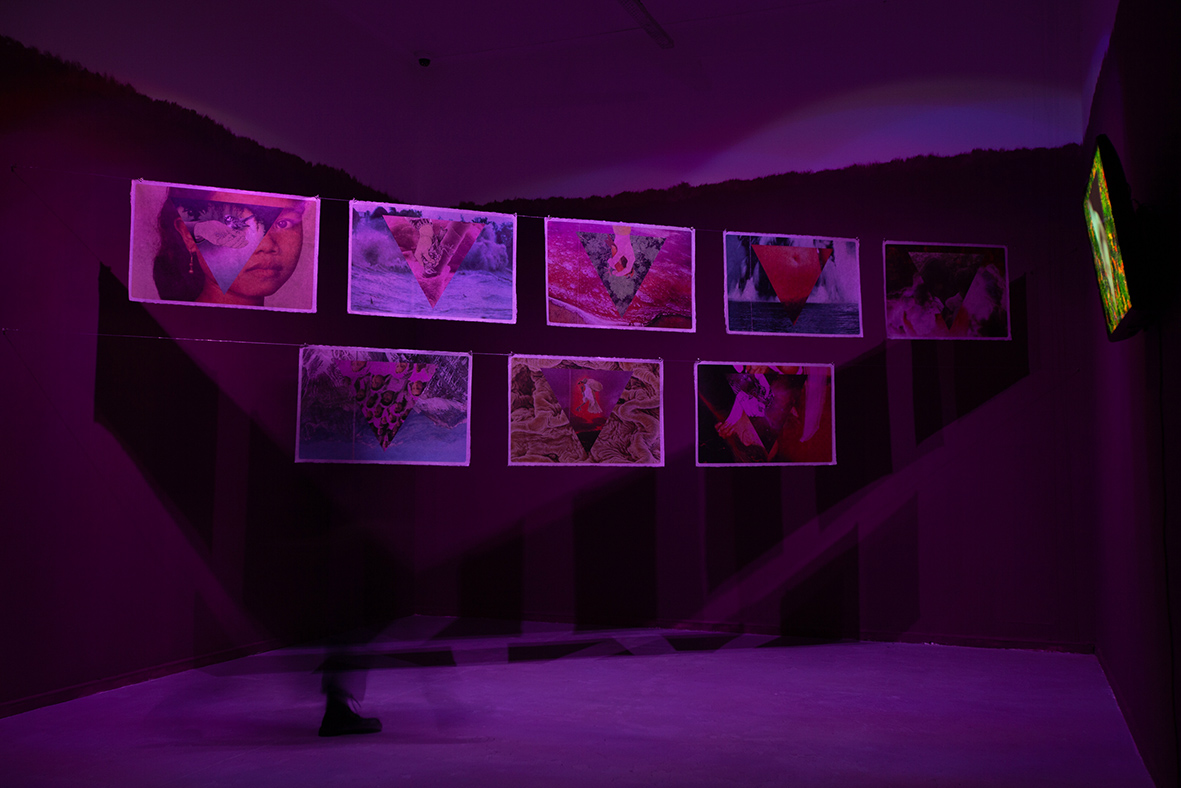
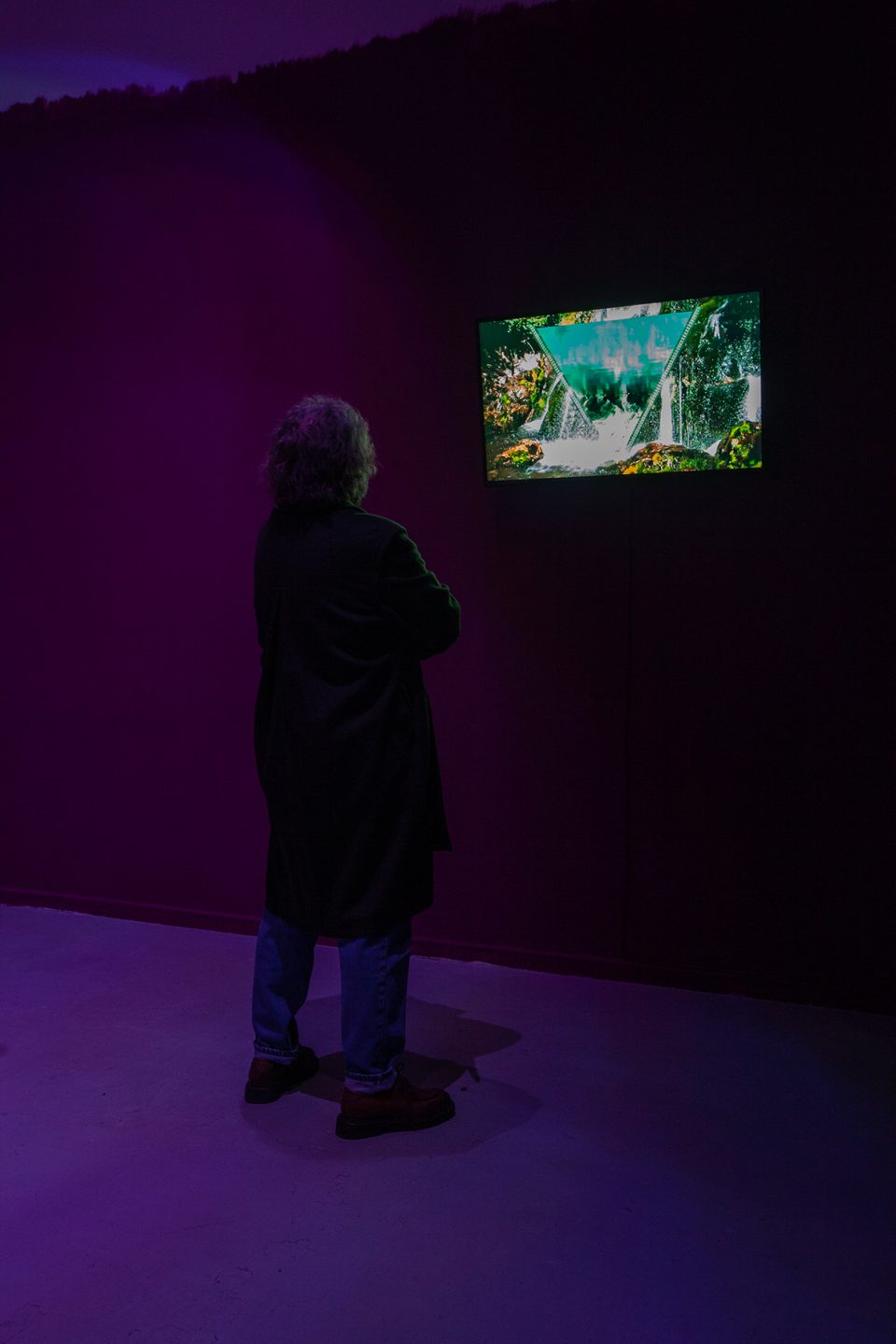
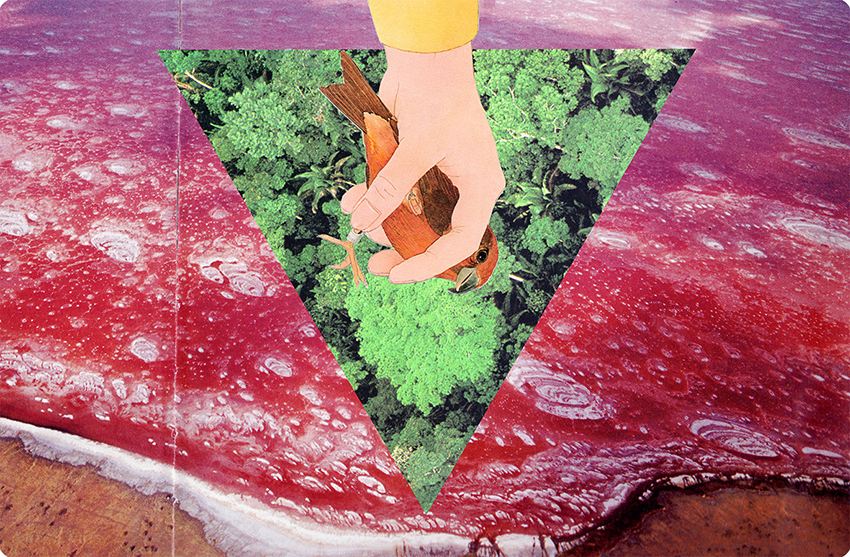
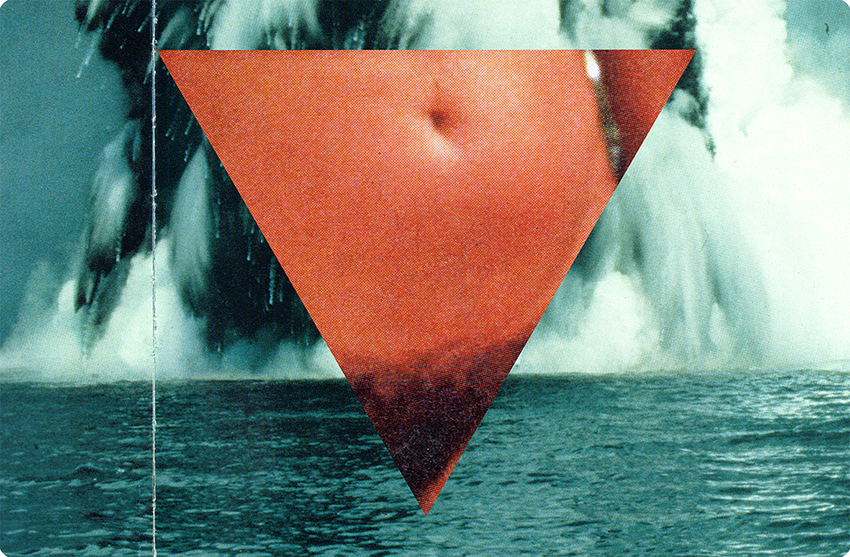
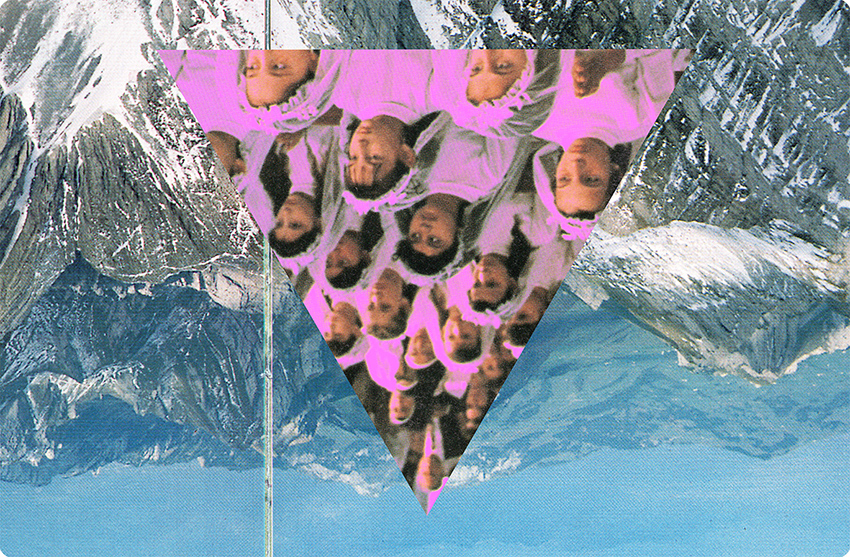
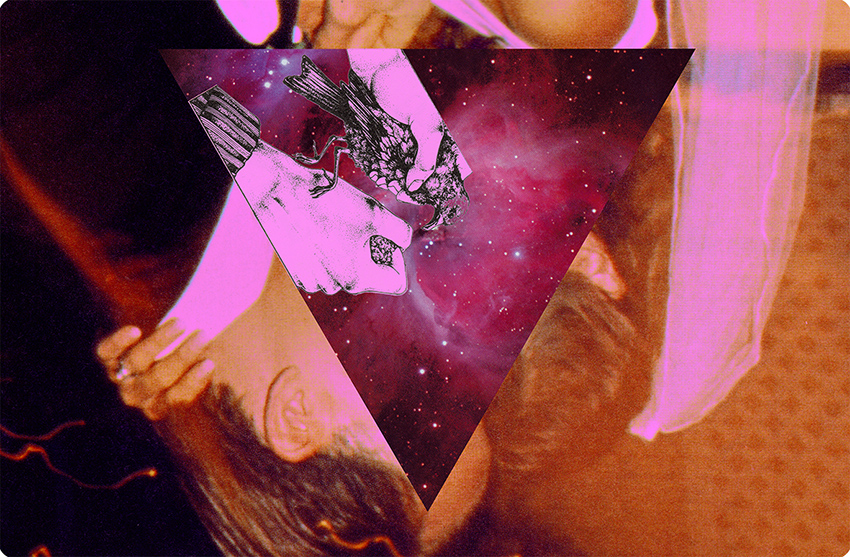
Other white mixed background is a video work articulated as a fluid visual essay that critically reflects upon hegemonic, patriarchal histories in Latin-America. By assembling a range of fragmented histories  from oral storytelling, from the unconscious, the landscape experience and my own family archives, her-stories are remembered and preserved, while being retold and transformed as a decolonized gesture towards trans-generational power structures.

This work has been greatly informed  by the writings of Julia Kristeva (“The Powers of horror, An essay on Abjection”, 1980), Rosi Braidotti (“Nomadic Subjects”, 2011) and Lucy Lippard (“Overlay, Contemporary Art and the Art of Prehistory”, 1983). Also, by “Riddles of the Sphinx” by Laura Mulvey and Peter Wollen. 

Other white mixed background´s starting point was Marija Gimbutas´ research on Neolithic sites, which she claims were builded from a female-centered perspective: “Old European village sites are not remarkable for their defensive positions but were chosen for their convenient setting, good water and soil, and availability of animal pastures. Hill forts in inaccessible locations are not known to Old Europe, nor are daggers, spears, and halberds.” Gimbutas´ research proposes that “the primordial deity for our Paleolithic and Neolithic ancestors was female, reflecting the sovereignty of motherhood,” and that “the emphasis in these cultures was on technologies that nourished people’s lives, in contrast to the androcratic focus on domination.”

Aiming to find new understandings for the traditional definitions of borders, belonging and sovereignty in my own genealogy, I reviewed the maternal figures in my life, as recommended by Virginia Woolf. I interviewed my great aunt, who is a psychoanalyst, and has lived outside of South America for decades. Conducting these interviews with her allowed me to integrate a different and complementary family narrative than the one I grew up with. During the time of these interviews, I was pursuing “alternative” forms of psychotherapy which involved methods like tarot readings, guided and generative meditations, writings and other practices, to unfold different layers of my matrilineal heritage, and the transgenerational joys and traumas in between.

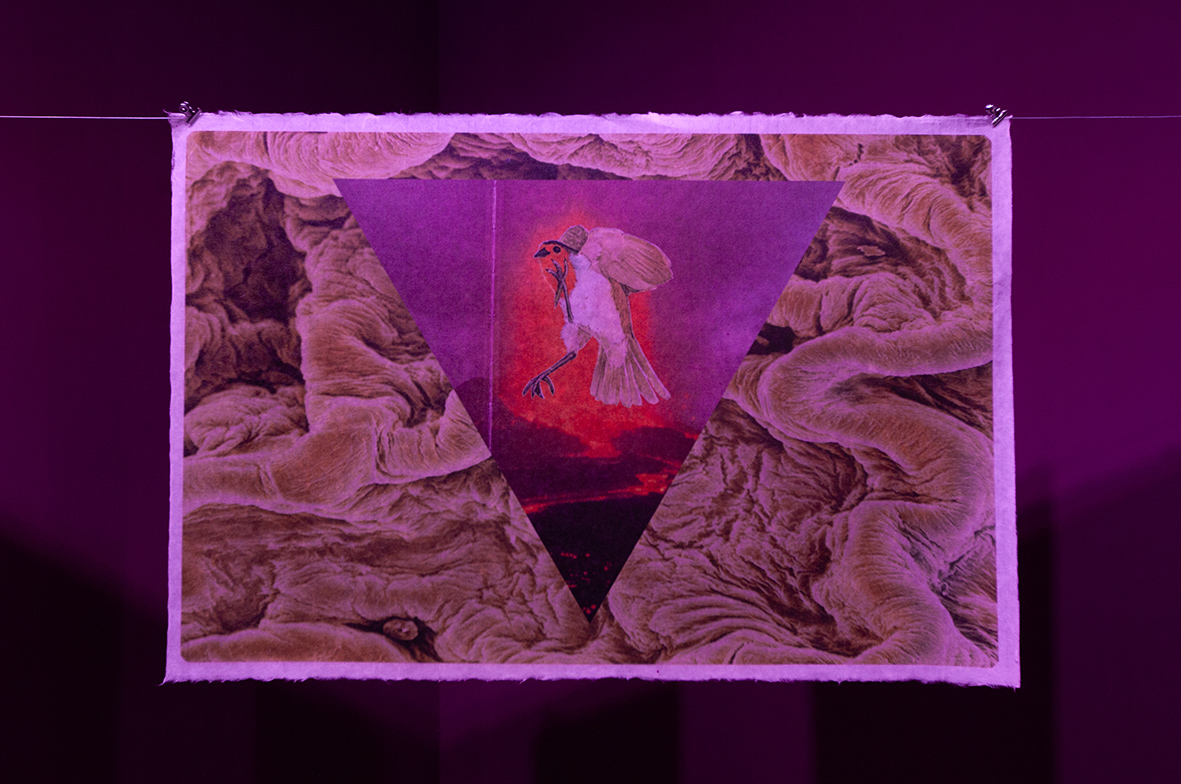
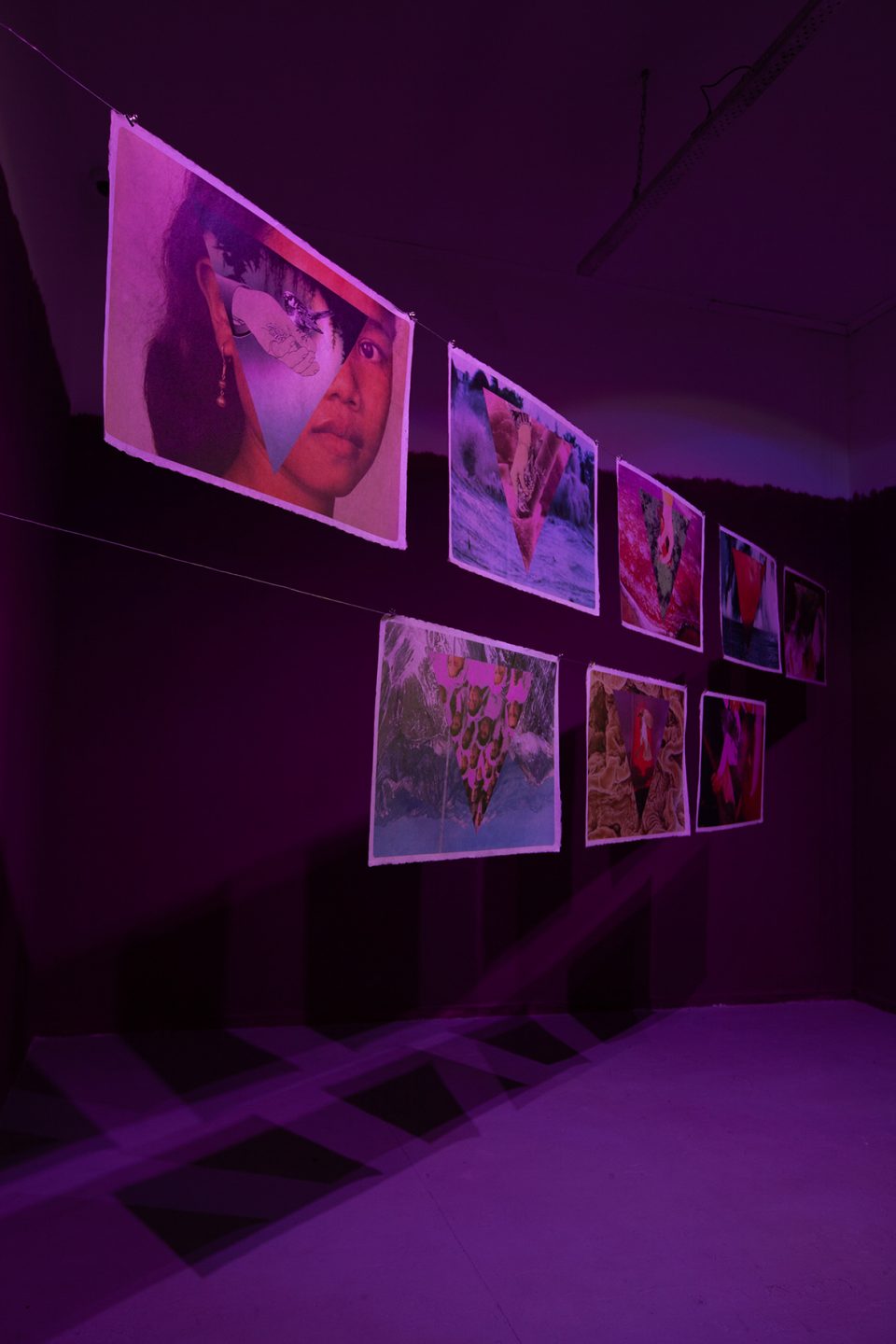
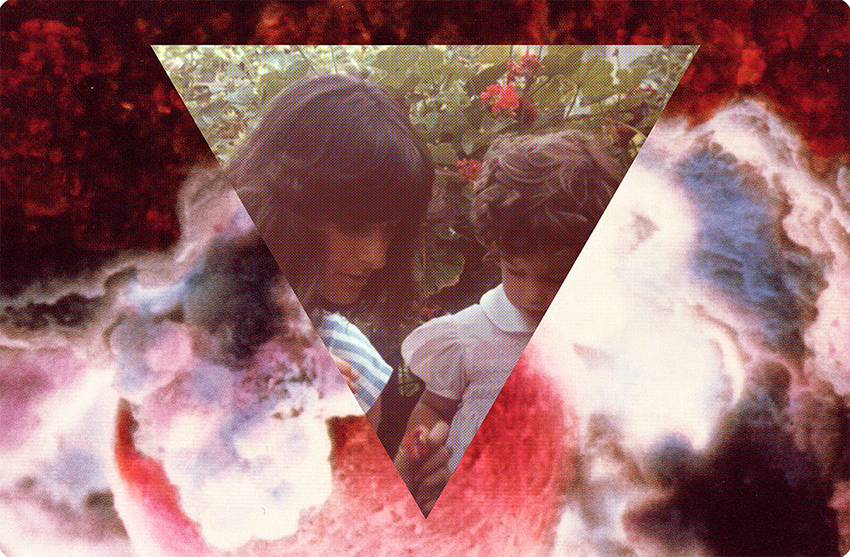
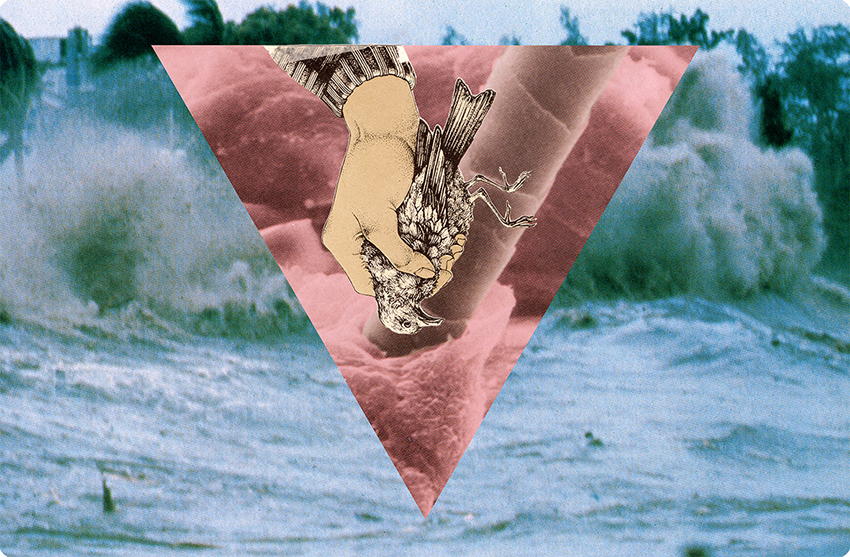
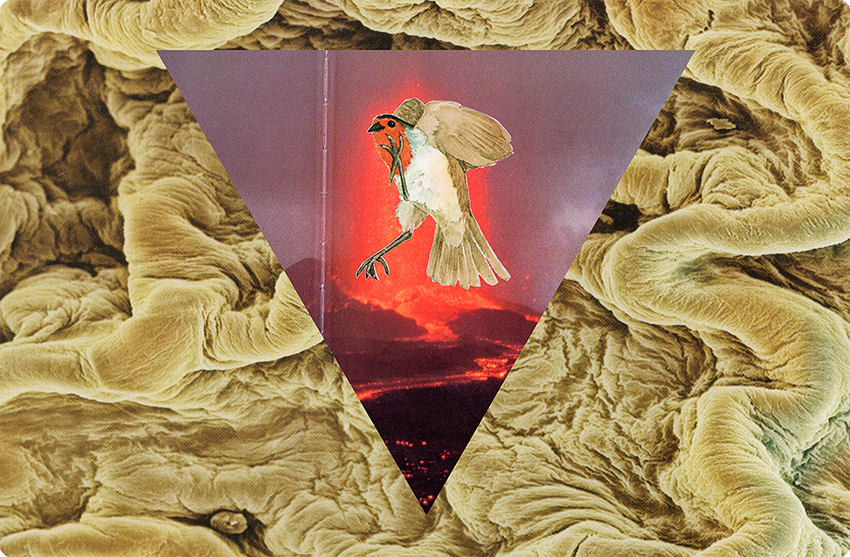
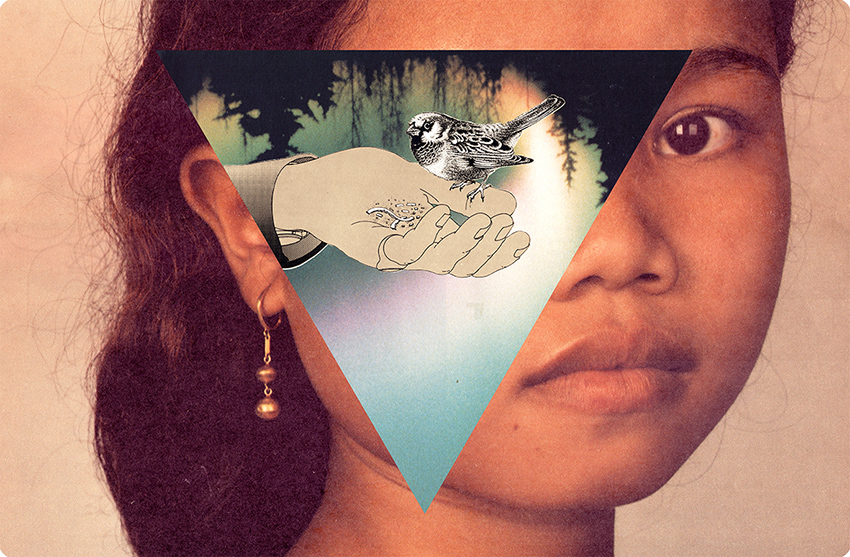
Combining these experiences I have developed a narrative of embodied speculation, entangling the stories of five generations into my own. The text in the video is spoken as a chorus by my sisters and me. And the images -first tried out as digital collages- come from family archives of my childhood, anatomy magazines, as well as from field recordings on Neolithic archaeological sites (UK) and from wild nature sites (Patagonia).


Other White Mixed Background (Otro Origen, Blanca Mixta) es un trabajo audiovisual articulado como ensayo visual no lineal, que reflexiona críticamente sobre la hegemónica historia patriarcal en América Latina. Compuesto a partir de fragmentos de narración oral, imágenes rescatadas de la memoria y del inconsciente, así como de la experiencia corporal en el paisaje, sus historias femeninas son recordadas y recontadas, a la vez que se transforman en un gesto decolonizador respecto de las grandes estructuras de poder que traspasan generaciones. 

Combinando estas experiencias surge una aproximación especulativa y encarnada a nuestro mito de origen, que entreteje las historias de cinco generaciones en una sola. Las imágenes del video, ensayadas primero como collages digitales, provienen de archivos familiares de mi infancia, de revistas de anatomía y de registros de campo realizados en sitios arqueológicos Neolíticos de Reino Unido, así como del paisaje de la Patagonia Chilena. La locución del texto, escrito especialmente para esta pieza audiovisual, ha sido hecha por mis hermanas y por mí.

El punto de partida de este proyecto ha sido la investigación que Marija Gimbutas (1921 – 1994) desarrolló en sitios arqueológicos Neolíticos. Ella propone que éstos se fundaron desde una cosmovisión de mundo centrada en lo femenino: “Los asentamientos humanos de la antigua Europa no se destacan por sus posiciones defensivas, sino que eran escogidos por la conveniencia de la locación, la buena calidad del agua y de la tierra, y los prados disponible para los animales. No se conocen los fuertes construidos en locaciones inaccesibles en la antigua Europa, así como tampoco los puñales, las lanzas ni las alabardas.” La investigación de Gimbutas propone que “la deidad primordial de nuestros ancestros Paleolíticos y Neolíticos era femenina, reflejando la soberanía de la maternidad”, y que “el énfasis de estas culturas estaba en las tecnologías que nutrían la vida de las personas, en contraste con el foco androcrático en la dominación”.

En busca de nuevos entendimientos para las tradicionales definiciones de fronteras, pertenencia y soberanía manifiestas en mi propia genealogía, estudié las figuras maternales de mi vida, como lo recomienda Virginia Woolf. A partir de terapias alternativas, lecturas de tarot, meditaciones guiadas y generativas, y especialmente gracias a una serie de conversaciones virtuales mantenidas con una tía abuela (madre y psicoanalista que ha vivido fuera de Latinoamérica por décadas) he podido elaborar una narrativa familiar complementaria a aquella con la que crecí. Esto ha permitido desenvolver las múltiples y ambivalentes capas de una herencia matrilineal arraigada en una nueva dimensión territorial.

Este trabajo ha sido fuertemente influenciado por los escritos de Julia Kristeva (Poderes del Horror. Sobre la Abyección, 1980), Rosi Braidotti (Sujetos Nomádicos, 2011) y Lucy Lippard (Superposición: Arte Contemporáneo y el Arte de la Prehistoria, 1983). Asimismo, por la película “Enigmas de la Esfinge” (1977) de Laura Mulvey y Peter Wollen.

El barco de la muerte vino navegando desde el pasado

I am origin unknown
I am cluster of bodies and experiences
I am immigrant from ancient times

Embedded in stolen nature
Lived story
Forgotten story

I was property of the father
I was pregnant in ignorance
I was involuntary uprooting

I was the blocked anger
Lived story
Forgotten story

Together
We materialized all kinds of permitted love
Sublime, ascetic, masochistic

I was an orphan girl
Motherless
In the inside of a convent
I recomposed her image
Stoic and sweet and resigned
Never
Brutal and strong and enfleshed

Lived story
Forgotten story

Abject silence
Obedient silence
Fearful silence
Indifferent silence
Capricious silence
Convenient silence
Cowardly silence
Silence!

Their silences circulate
Their voices circulate
Their voices
Beneath
Under the ground
Of my house
Their groans
Their words
And silences
Shake the walls
Of my house
Their silences
And their voices
So familiar
And so
Fatally
Easy
To forget

The darkness
Enlightened
Is no longer
Darkness

Regenerate
Remember
Recover
Recreate
Reshape
The body
That emerges
In play
Wild
Motion
Vital
Instinct

I am the one
Who holds life
I am the one
Who holds death

From where does that voice come

Inverted
Alienated
Monstrous
Multiple
Language
That escapes
From your
Understanding

I am the one
Who holds life
I am the one
Who holds death

I am
Other white mixed background