Observatorio

2014-2017

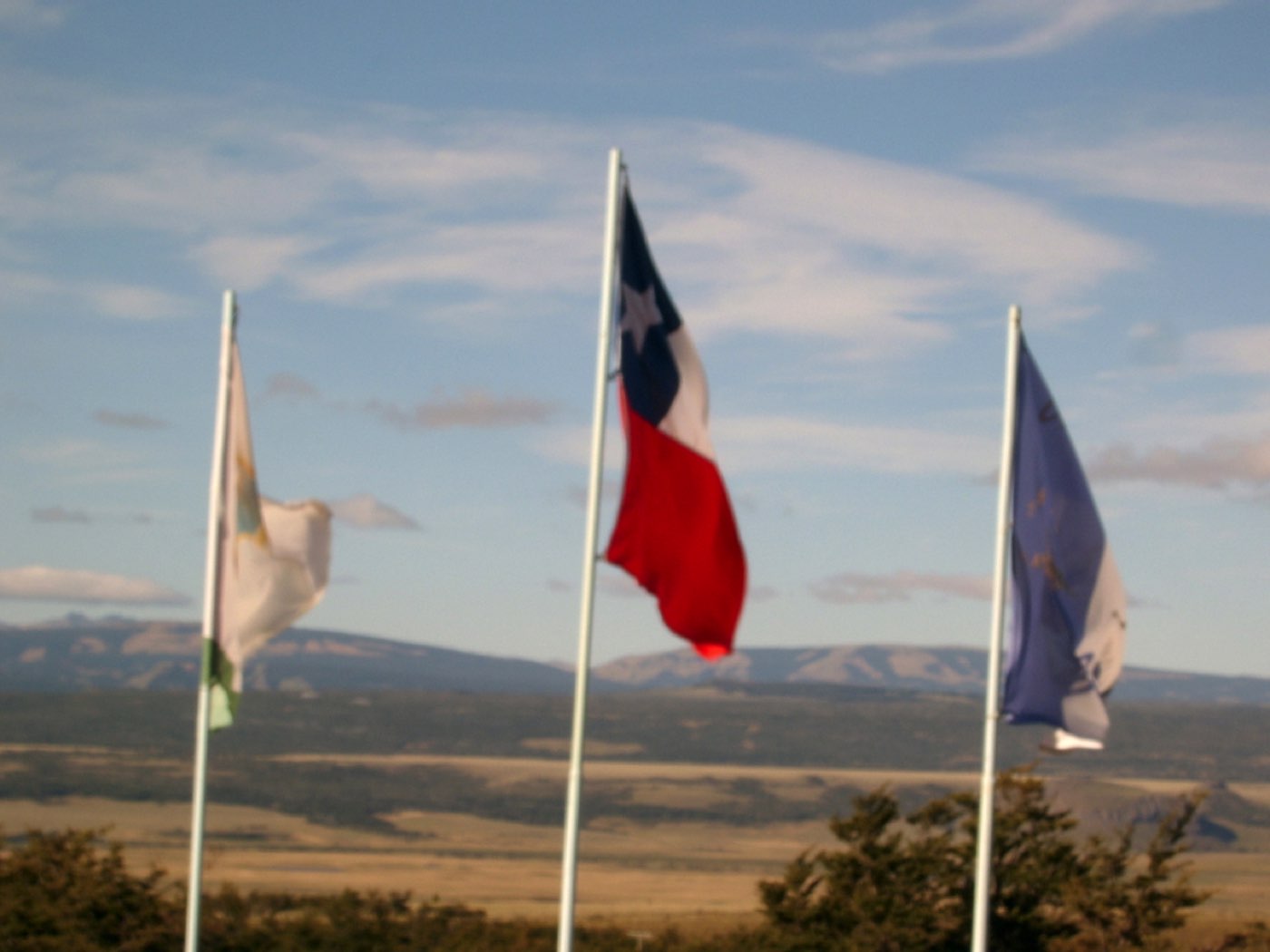
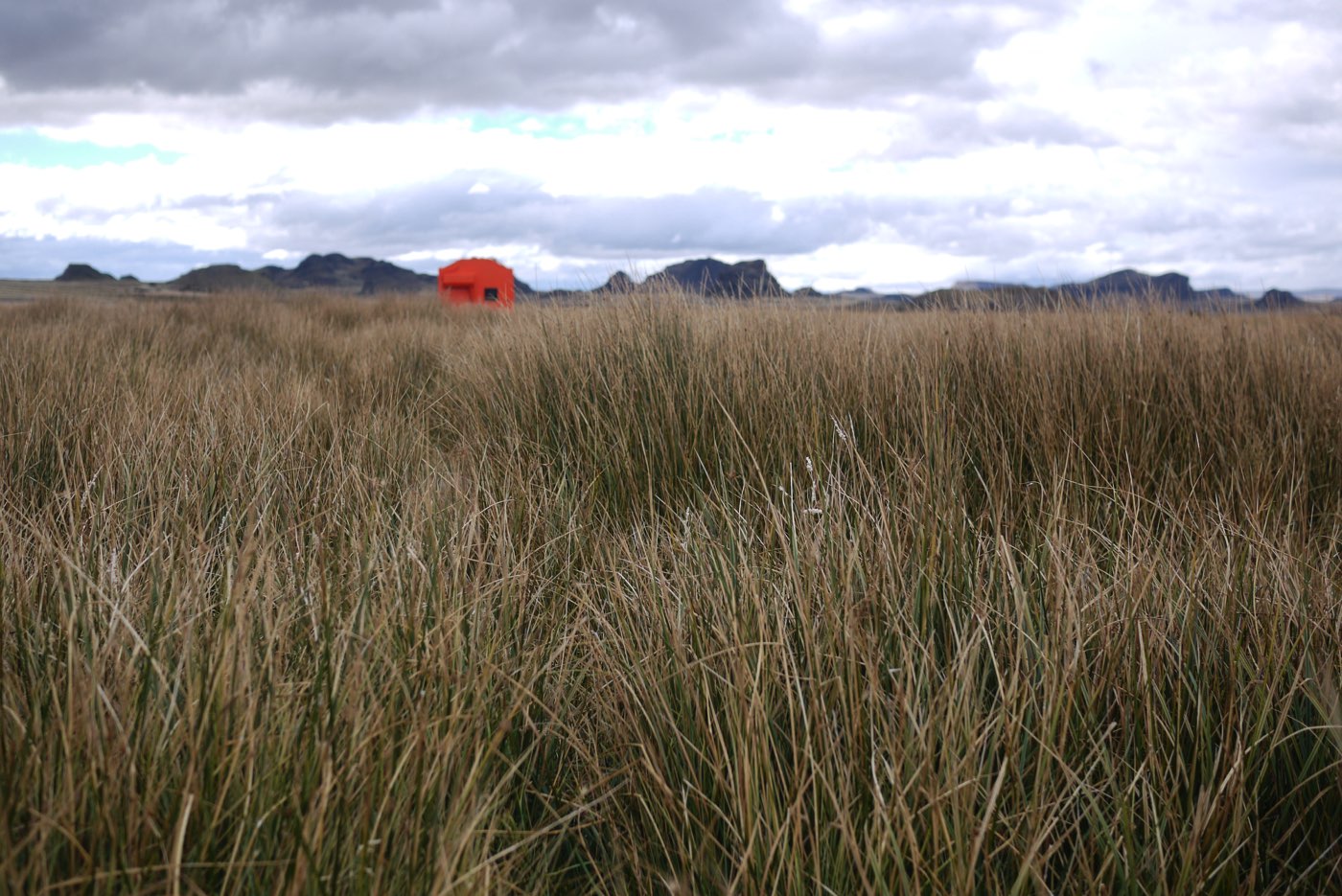
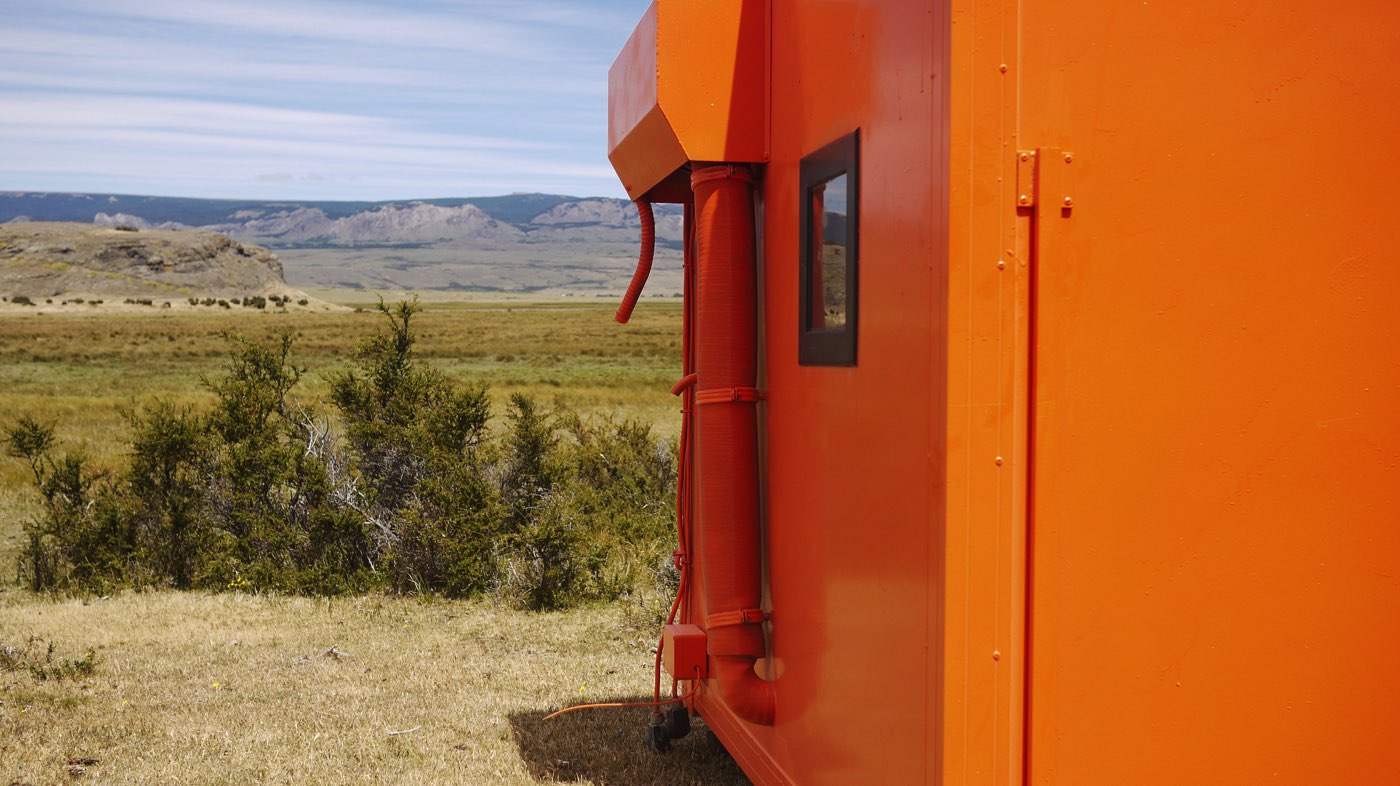
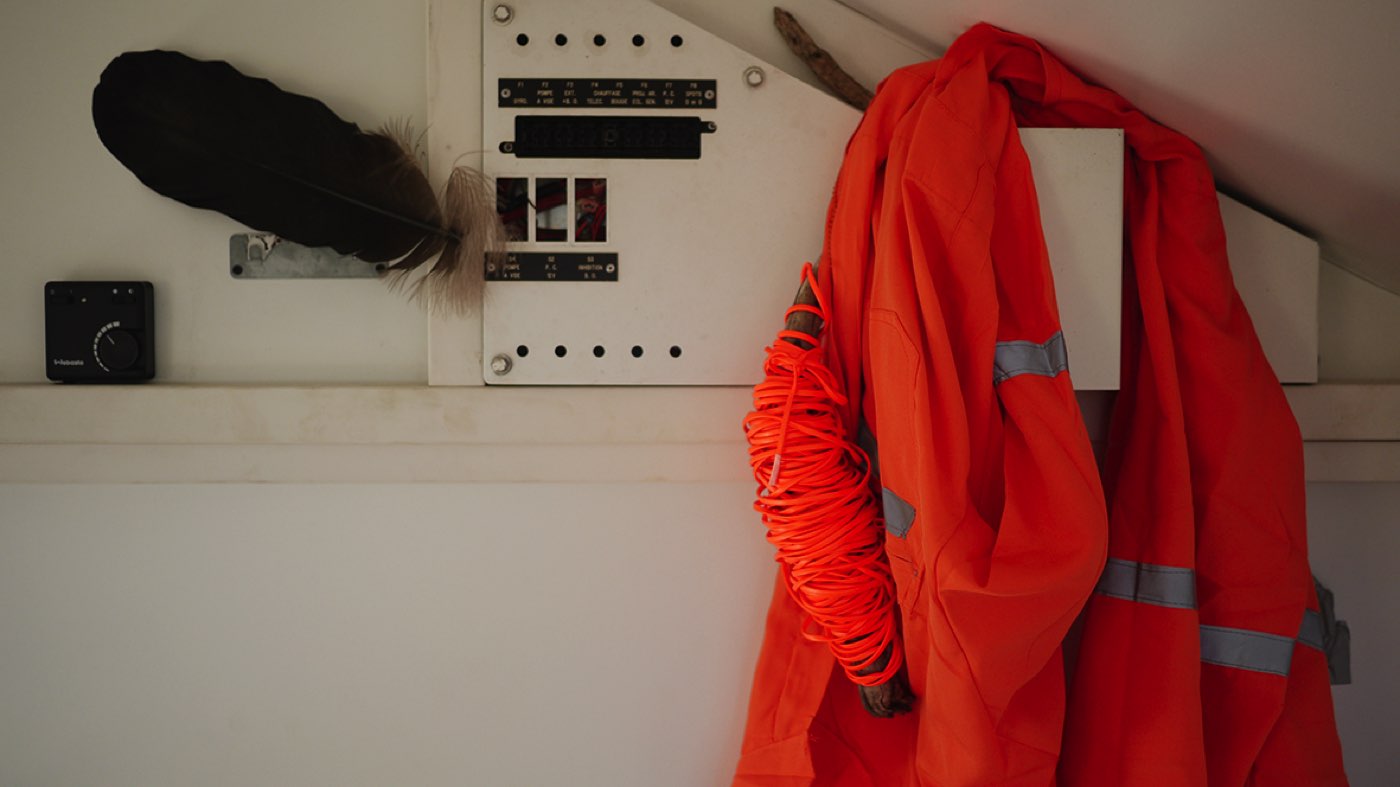
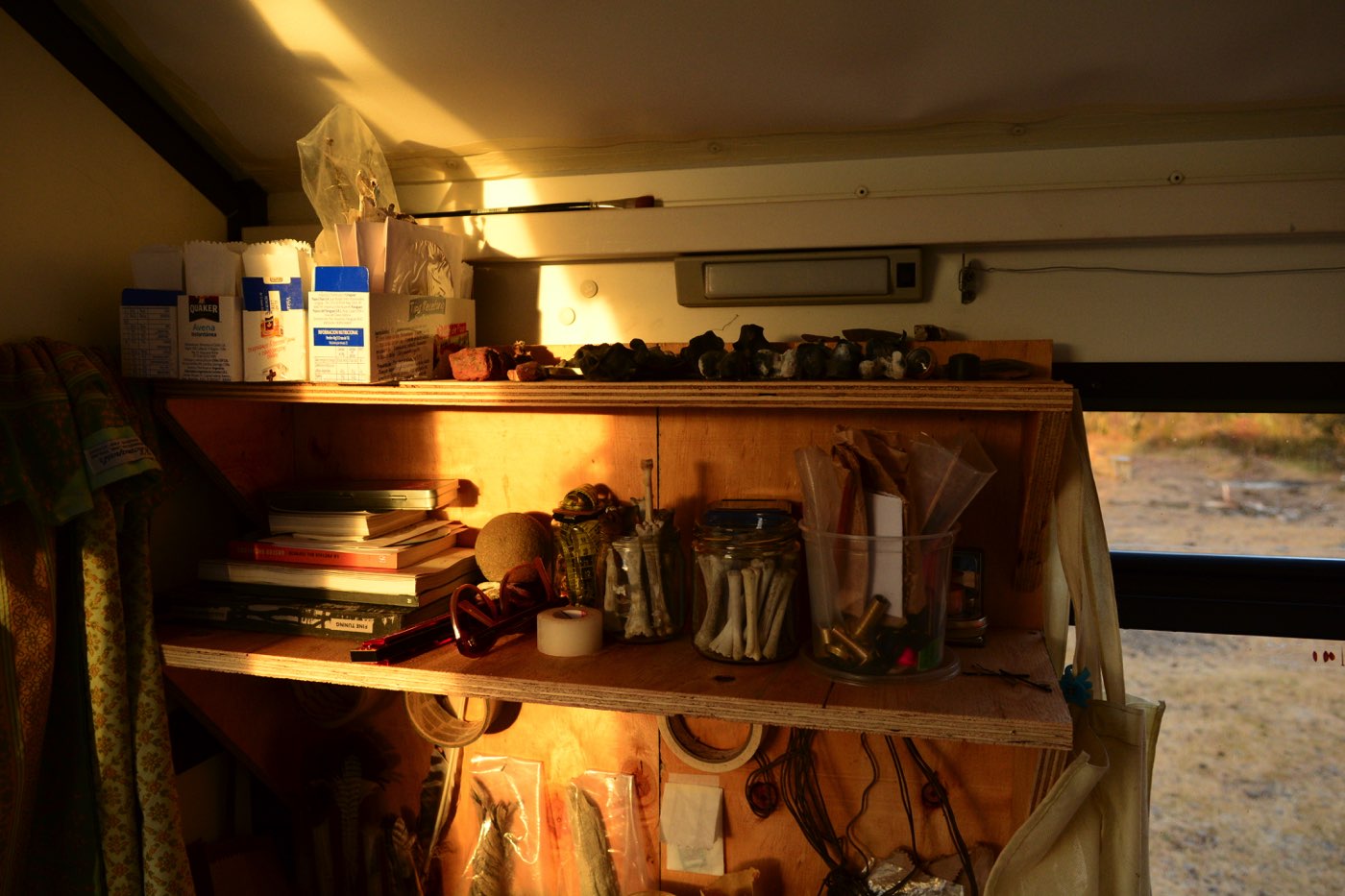
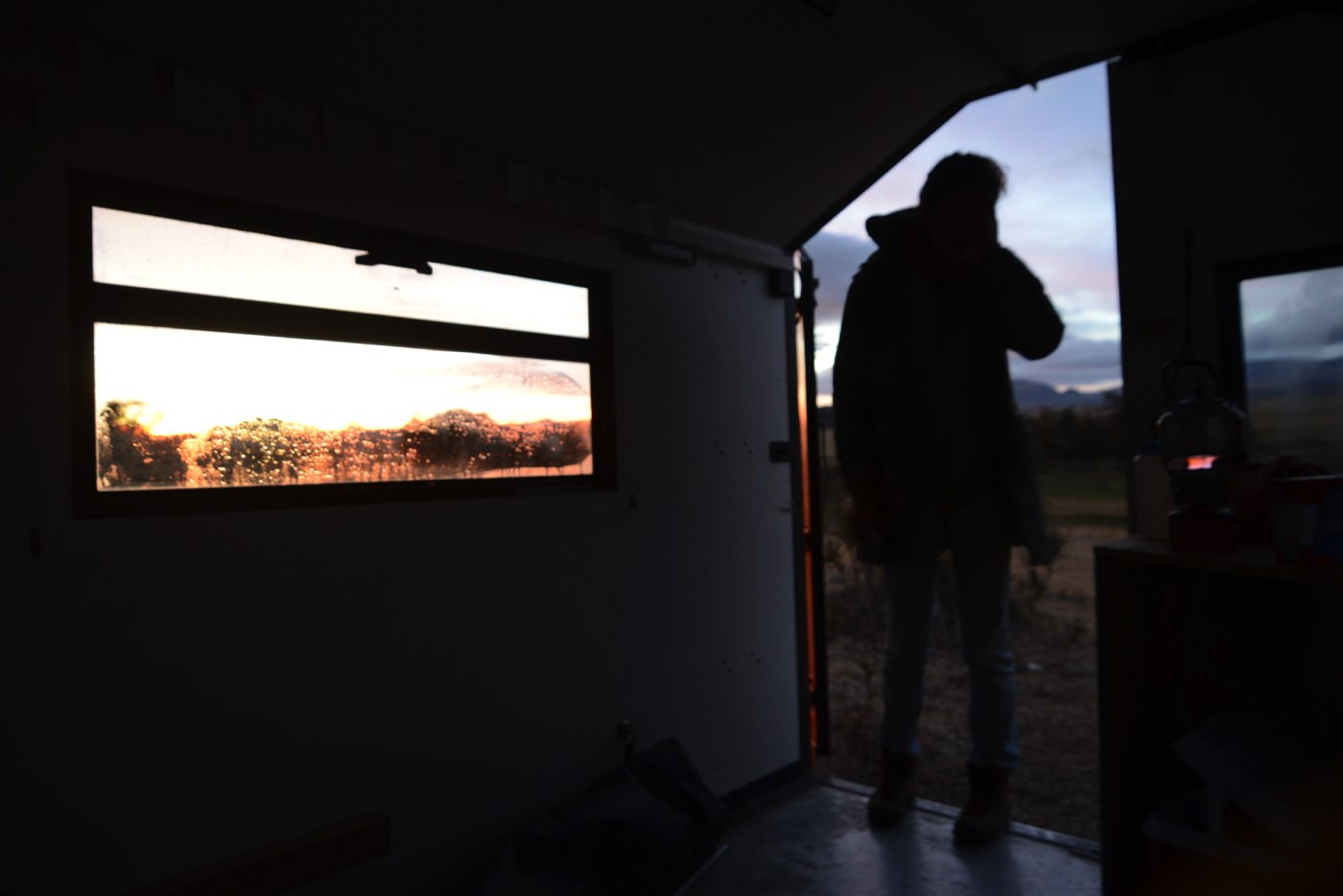
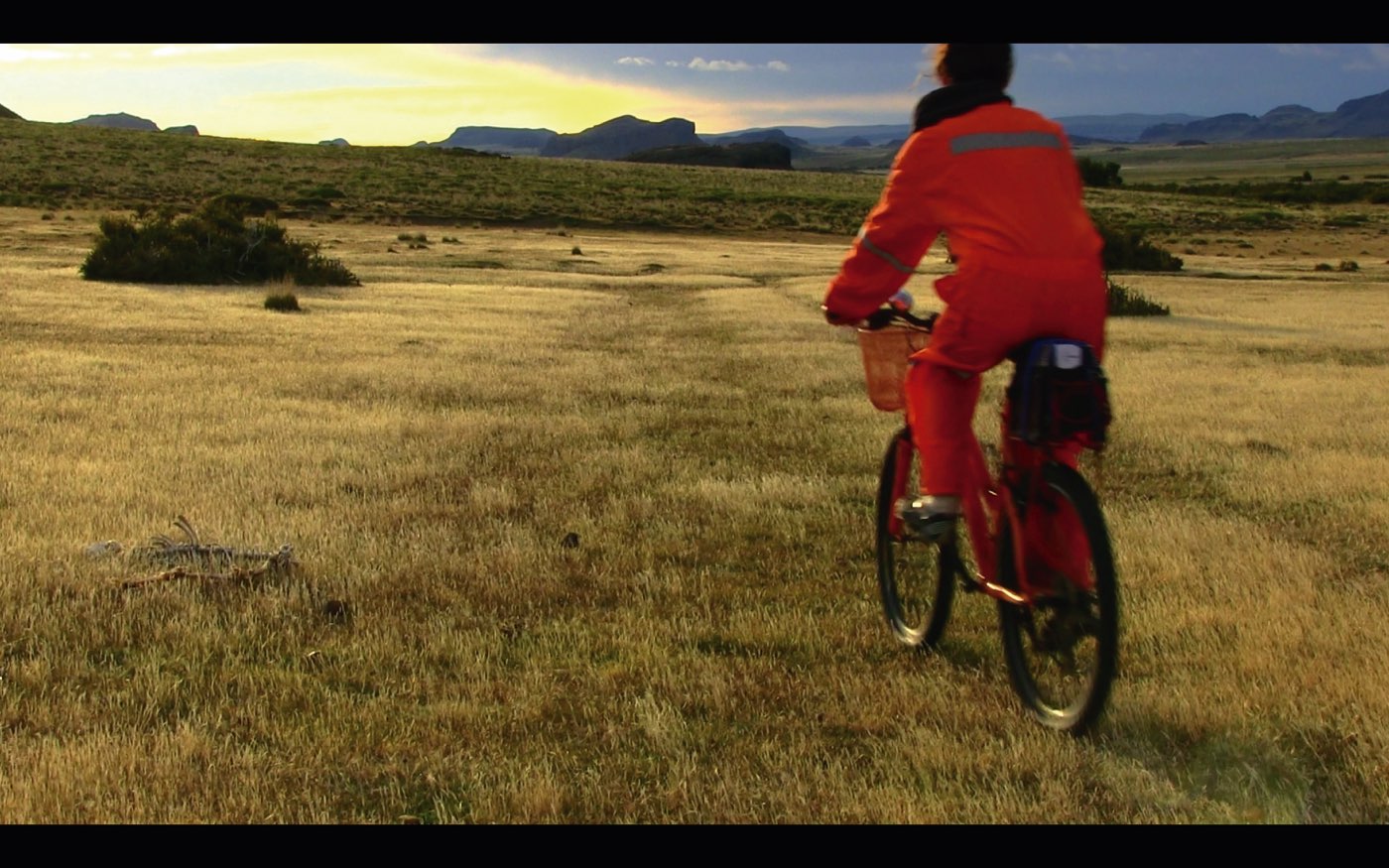
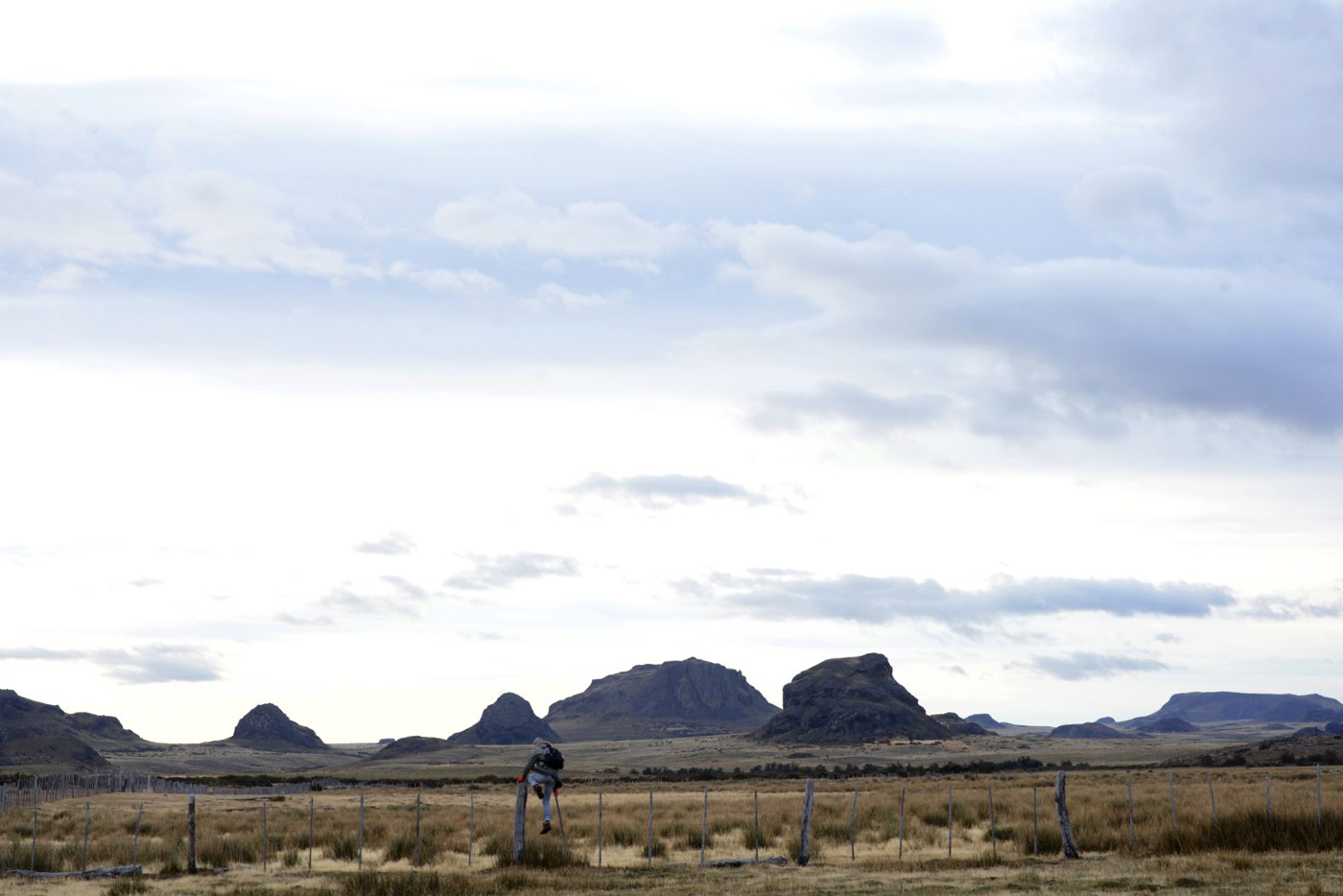
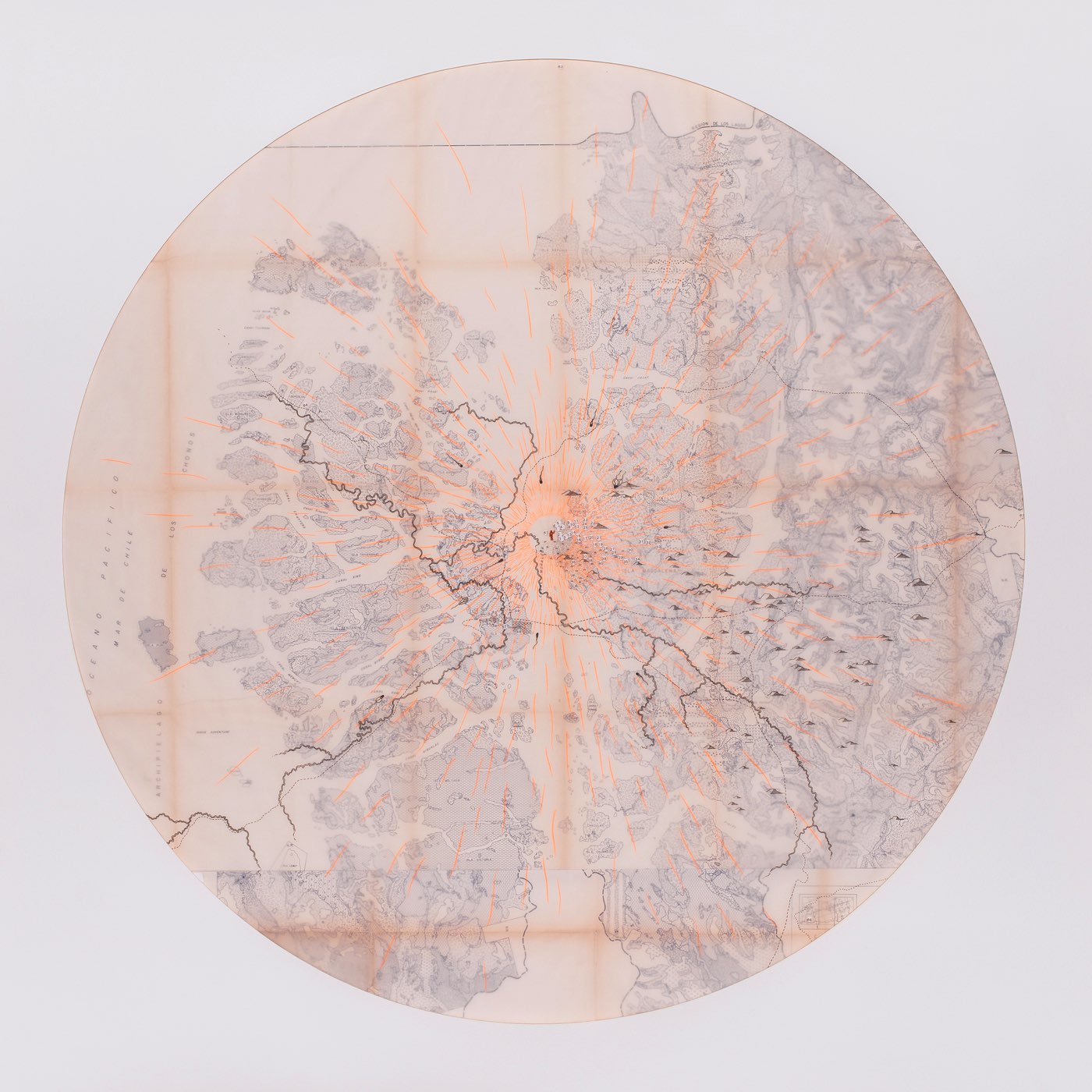
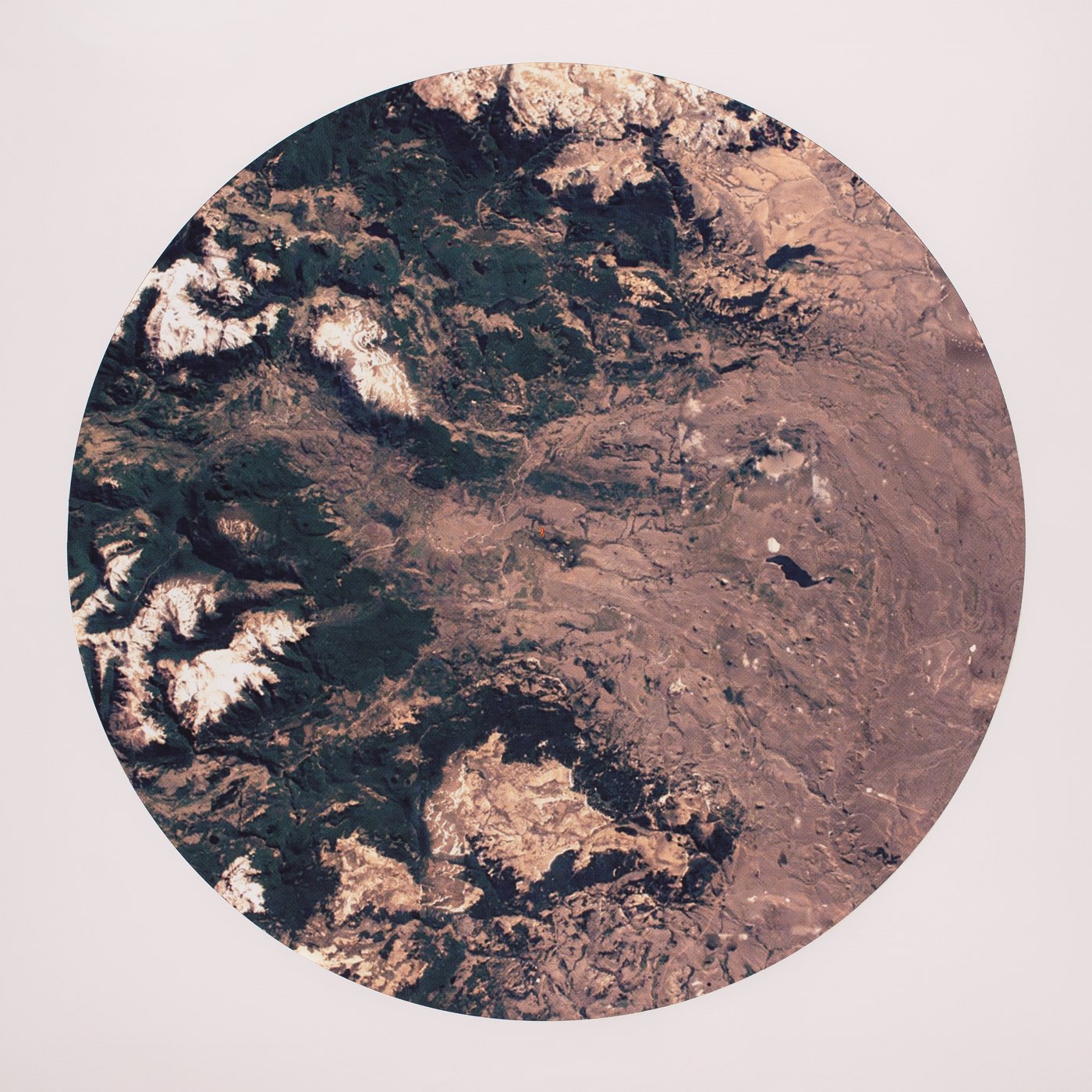
“A module of dimensions 1.90 x 2.70 x 2.10 mts, is situated for four months in position 45°14’25.53”S, 71°39’49.55”O in Valle de la Luna sector near Villa Ñirehuao; a rural town located 52 kms. from Coyhaique’s central square and 22 kms. from the Argentinian border. The area has a geological history of glaciers, secular aboriginal hunting ground and modern cattle ranch.

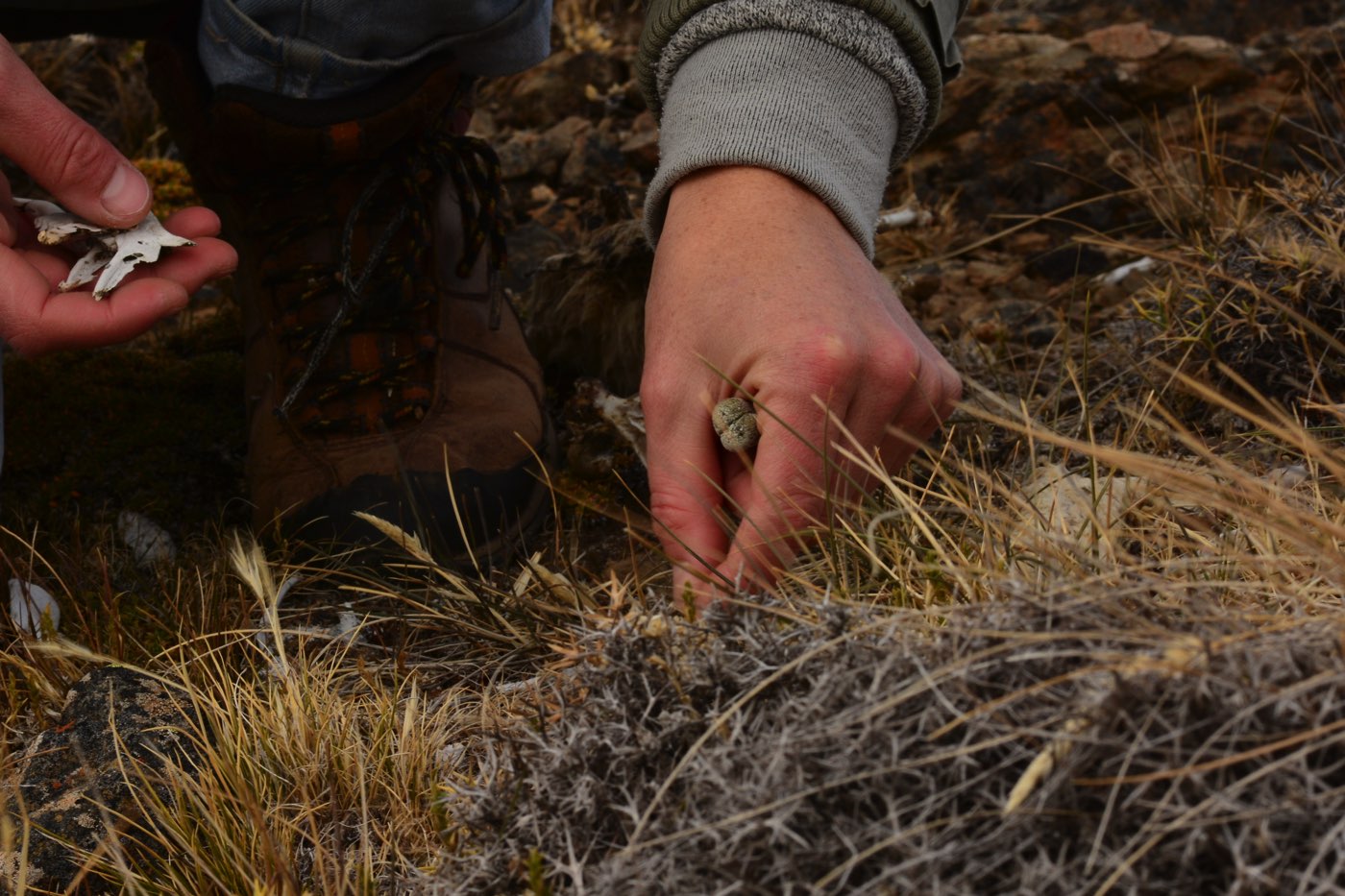
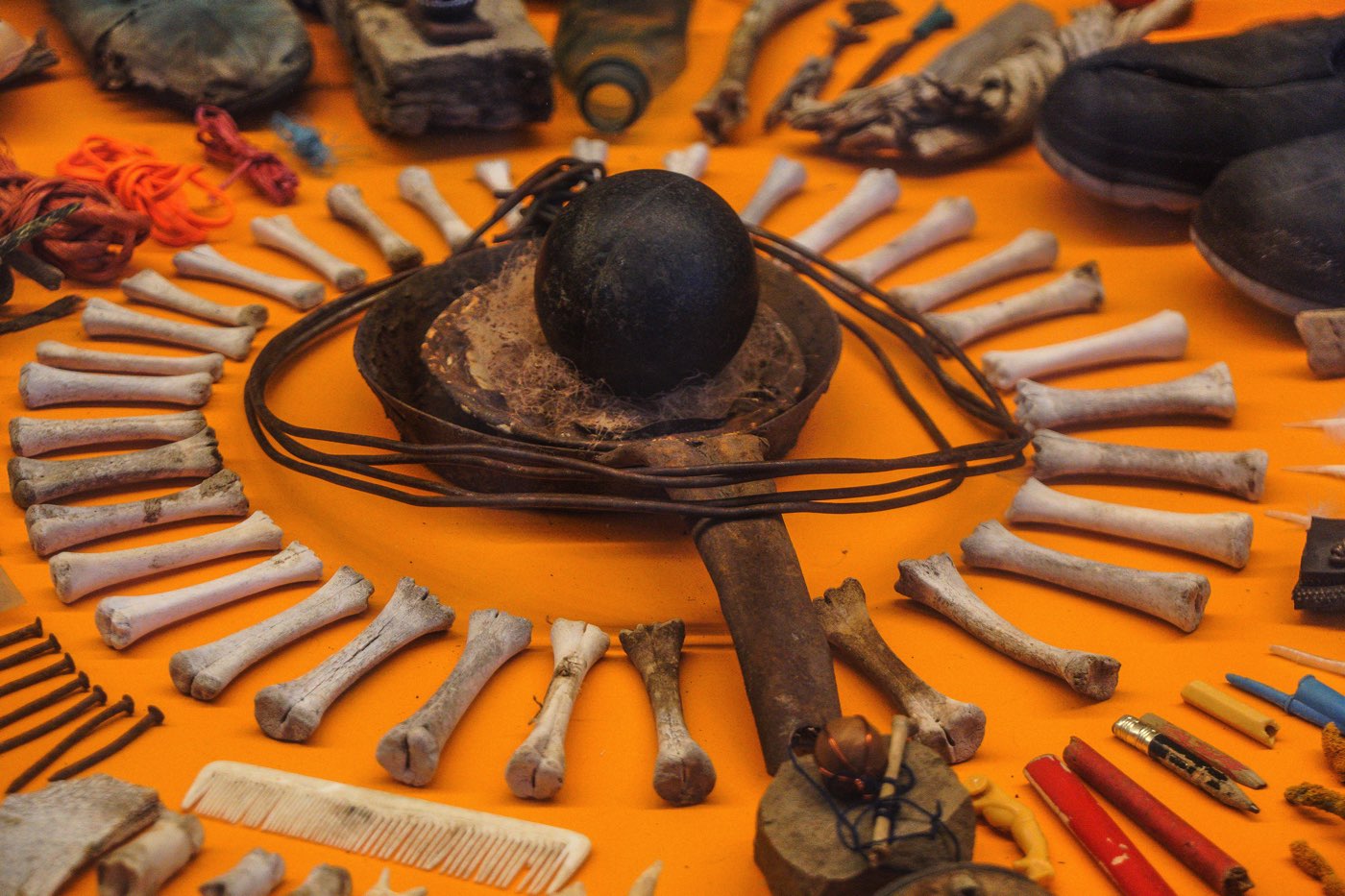
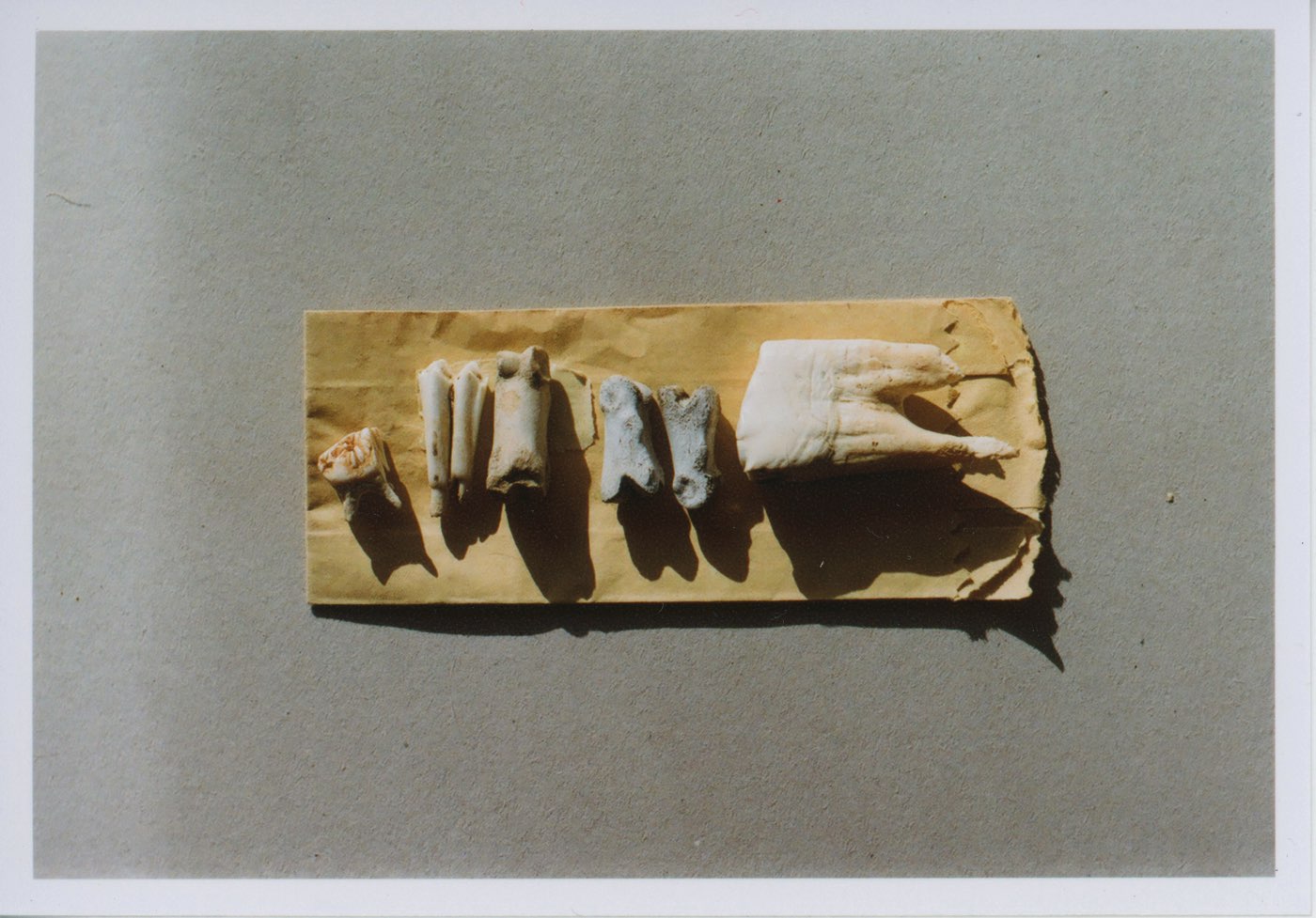
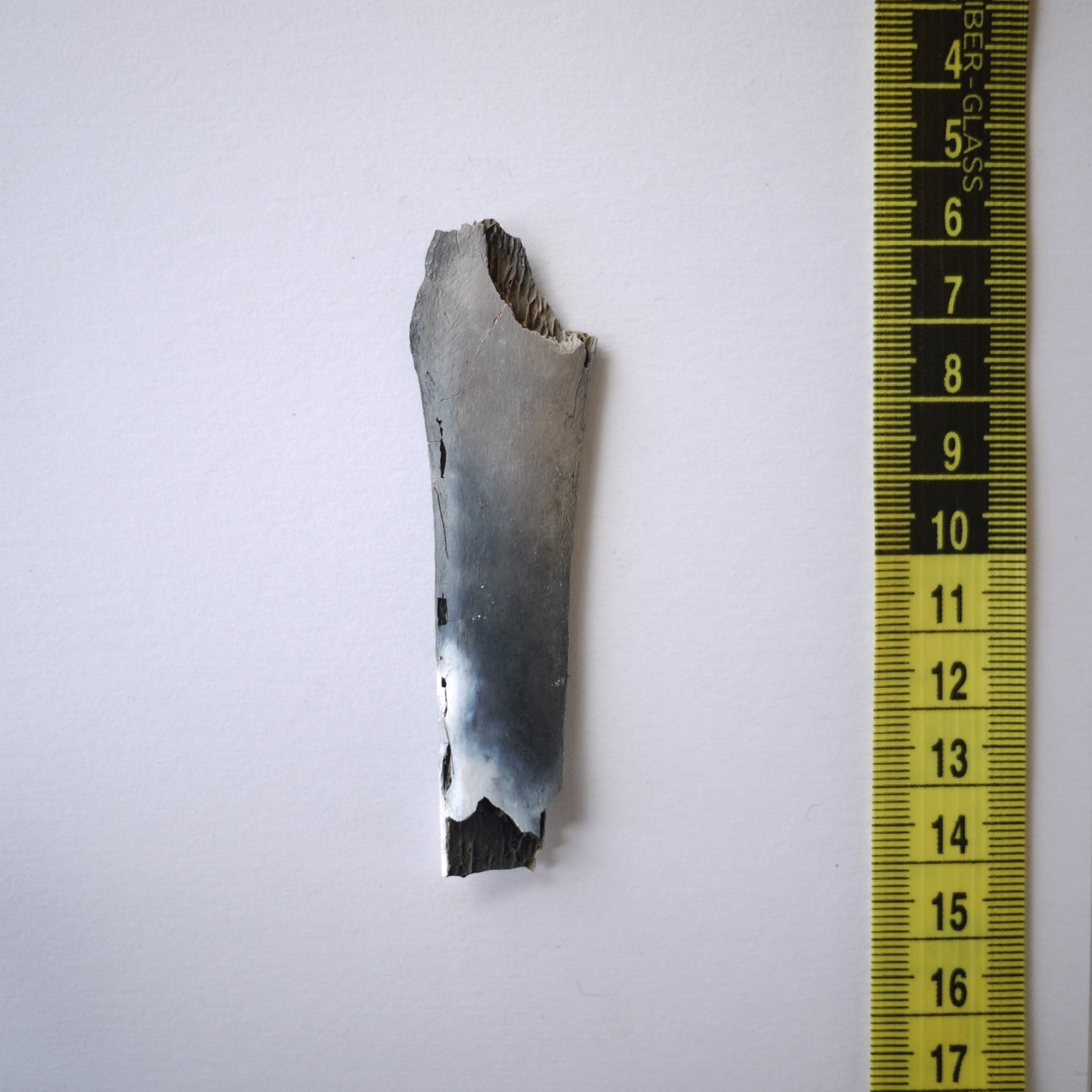
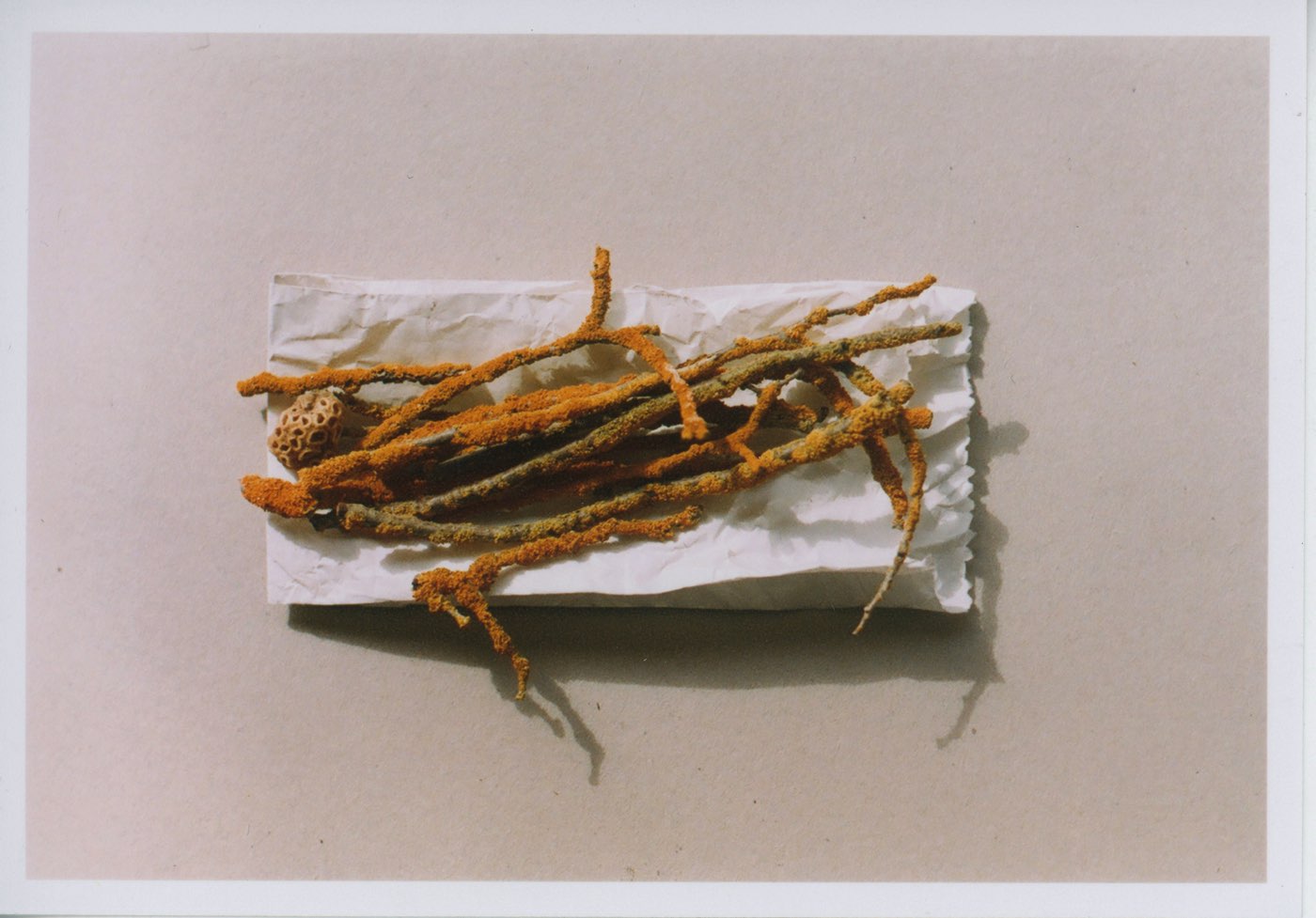
It is hard to say Ñirehuao. First, it needs to be attached to images. For that purpose, there will be a battle between geography and poetry; irreconcilable fields without Bachelard’s help. One must insist in a rhetoric that names and collects. One needs to understand the relationship that exists between a dry lizard and the latitude of the Katterfeld mountains.

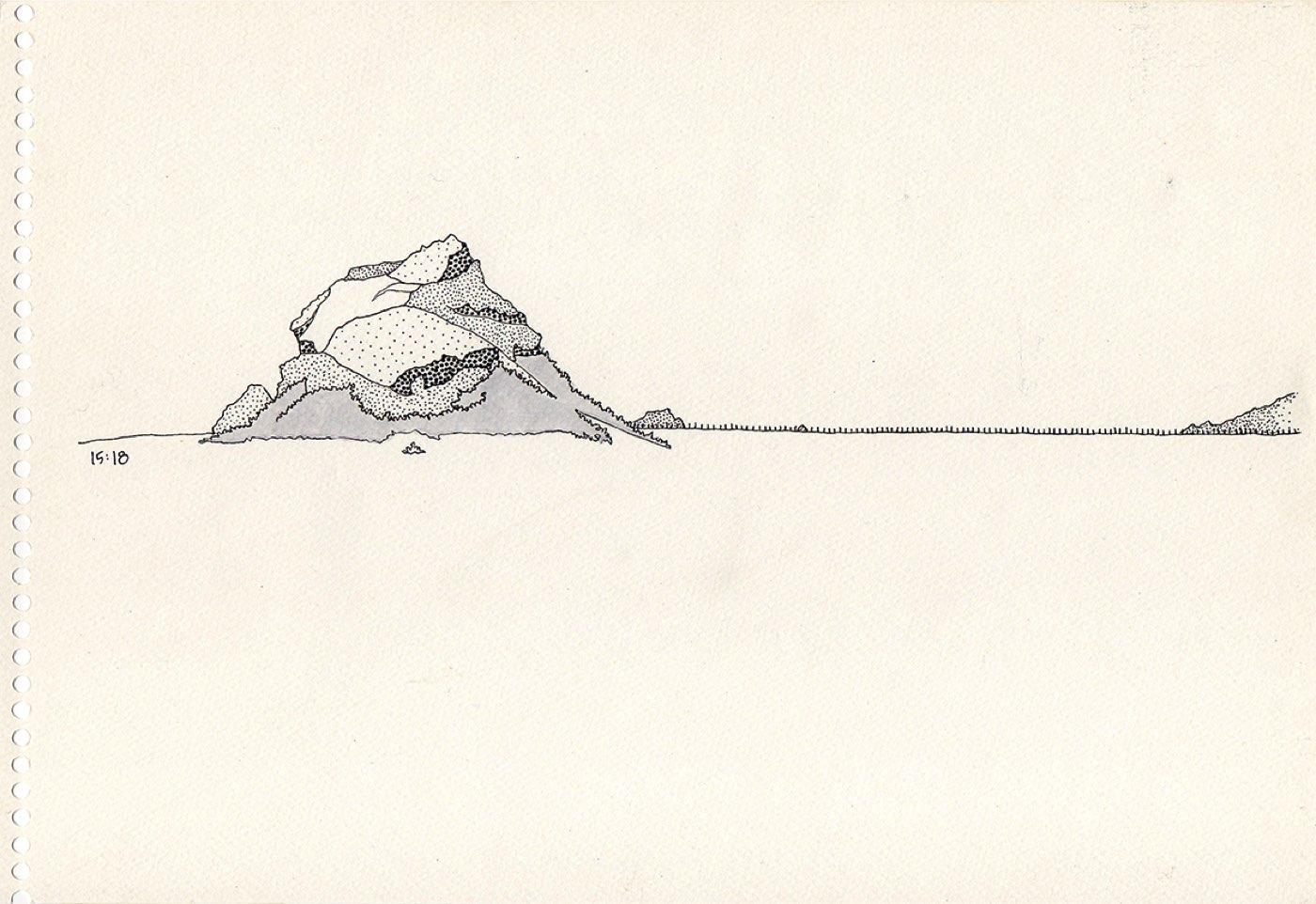
We look for the unchangeable, the distinctive; the thing that makes the territory is what it is. It is not its scenic beauty. It is not its lunar rocks, it is not the village, it is not the sheep, it is not its inhabitants. It is a symbolic pulsion that comprises all these elements through the presence of a myth. This force is the unchangeable; the thing that defines the territory. People here live on it. They live over its tension and the energy between the intangible and the real. The sensorial world directs how the material world is used. For that, we have to observe.

In any case, the question arises: why is this done?” —Gustavo Boldrini

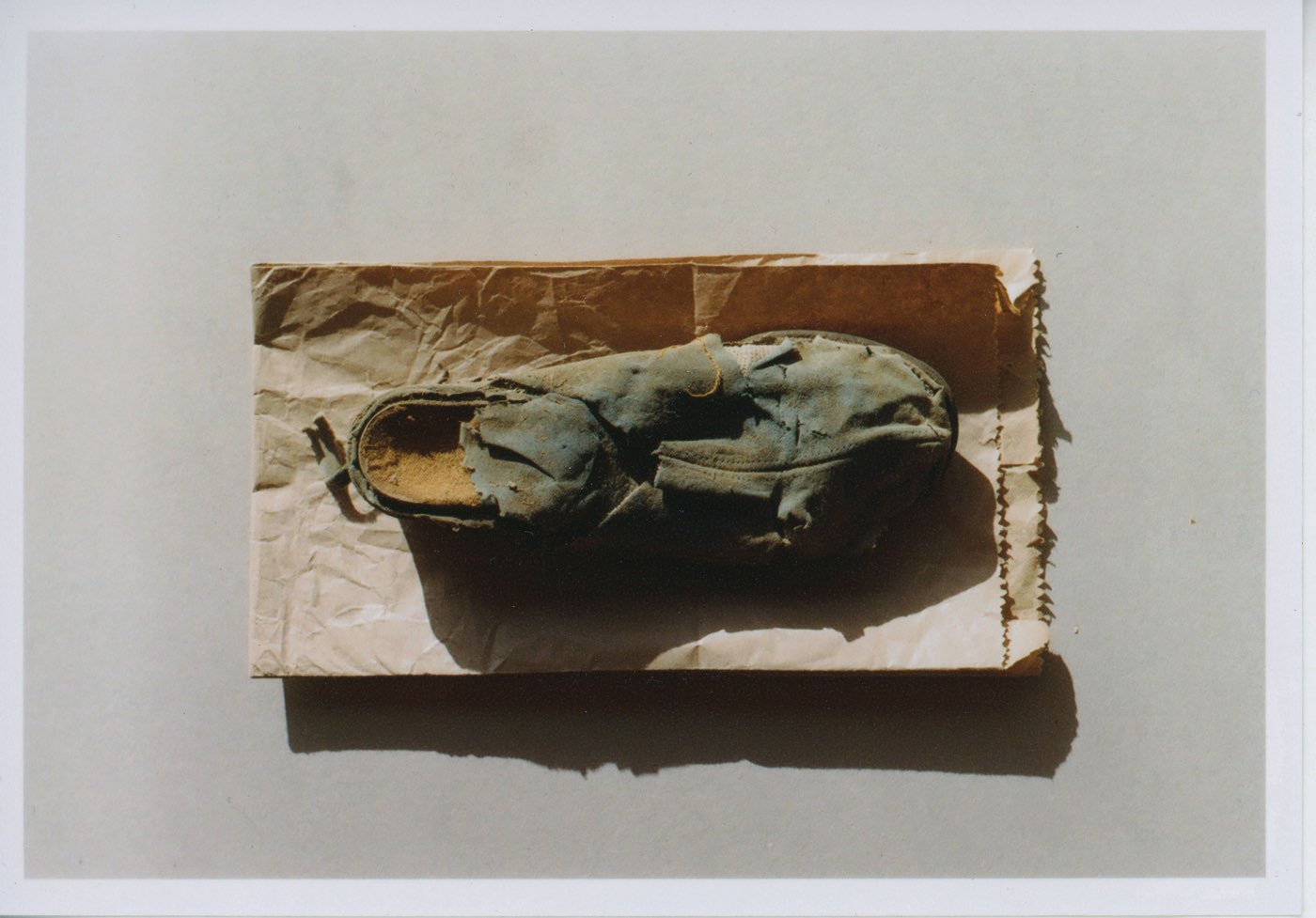
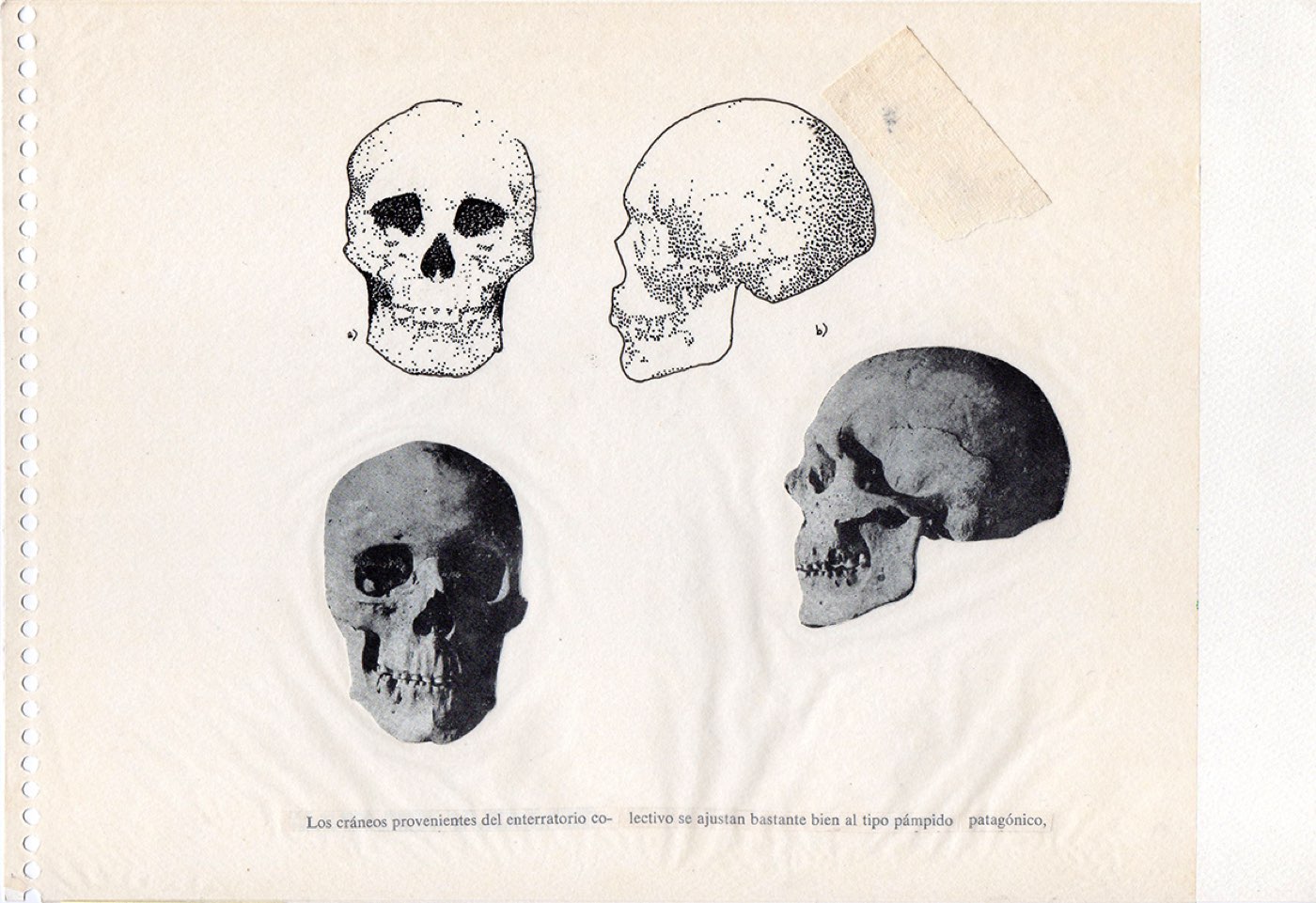
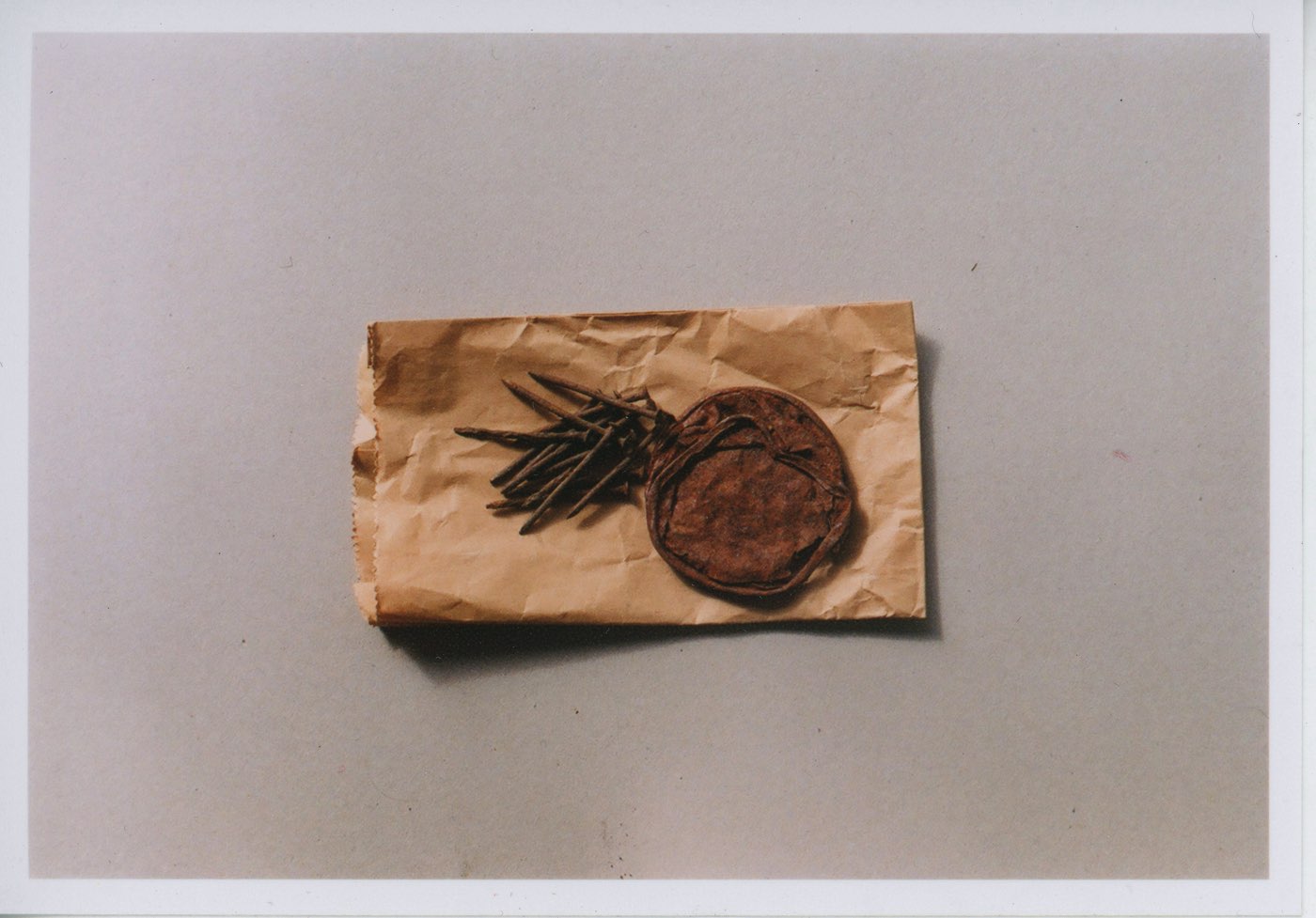
This text, written by Gustavo Boldrini, is part of the publication with which the project finalizes: A four month-long, self managed residency in the Pampa del Ñirehuao. The findings and results of this experience were exhibited in Matucana 100 (Santiago, 2014) and the Aysén Regional Museum (Coyhaique, 2017).

“Un módulo de dimensiones 1,90 X 2.70 X 2.10 mts. es instalado durante cuatro meses en posición 45°14’25.53”S, 71°39’49.55”O, sector Valle de la Luna, en las proximidades de Villa Ñirehuao, una localidad rural situada a 52 kms. de la plaza de armas de Coyhaique, y a 22 kms. de la frontera con Argentina. El sector posee antecedentes geológicos de glaciar, secular campo de caza aborigen y estancia ganadera moderna.

Decir Ñirehuao es difícil. Primero hay que fijarlo en imágenes. Para ello habrá una lucha entre geografía y poesía, cosas inconciliables sin la ayuda de Bachelard. Hay que insistir en una retórica que nombre y colecte. Hay que comprender la relación que existe entre una lagartija seca y la latitud de las montañas Katterfeld.

Se está en busca de lo invariable, lo distintivo; de aquello que hace que el territorio sea lo que es. No es su belleza escénica, sus rocas lunares; no es la villa, no son las ovejas ni sus habitantes. Es una pulsión simbólica que encierra todos esos elementos a través de la presencia del mito. Esa fuerza es la invariante; aquello que define al territorio. La gente de aquí vive sobre ella. Sobre su tensión y la energía que se da entre lo intangible y lo real. El mundo sensorial es lo que dirige el cómo se usa y se usufructúa del mundo material. Para eso hay que observar.

En todo caso, surge la pregunta: para qué se hace esto?” —Gustavo Boldrini

Este texto, escrito por Gustavo Boldrini, es parte de la publicación con la que finaliza Observatorio, una residencia autogestionada de cuatro meses de duración en la Pampa del Ñirehuao. Los hallazgos y resultados de esta experiencia fueron exhibidos en Matucana 100 (Santiago, 2014) y en el Museo Regional de Aysén (Coyhaique, 2017).

I appreciate the participation and support of friends and artists: Alejandro Lezama, Hugo Espinoza, Marcos Peede, Marcelo Mascareño, Christian and Juan Mansilla, Raúl Levicán and Nelly Mella, Germán Ortega, Florencia Labarca, María José Concha and Miguel Lagos, Raquel Vega, Jenny Zielhmann, María José Garcés and Gustavo Boldrini.

Agradezco a los amigos y artistas participaron desde sus disciplinas: Alejandro Lezama, Hugo Espinoza, Marcos Peede, Marcelo Mascareño, Christian y Juan Mansilla, Raúl Levicán y Nelly Mella, Germán Ortega, Florencia Labarca, María José Concha y Miguel Lagos, Raquel Vega, Jenny Zielhmann, María José Garcés y Gustavo Boldrini.